When it comes to mastering eyeshadow application, beginners often seek guidance. Studies show that nearly 62% of novice makeup users struggle with blending techniques. With the right approach, anyone can learn how to blend eyeshadow perfectly step by step. Renowned makeup artist Angela Smith emphasizes, "Blending is the key to creating depth and dimension in your eye looks."
The art of blending requires practice and patience. It involves more than just applying color; it's about achieving seamless transitions. Many beginners frequently overlook this critical aspect. A poorly blended eyeshadow can disrupt an entire look. According to a recent report by the Beauty Industry Association, 75% of women are dissatisfied with their eyeshadow application skills. This highlights the need for effective tips and techniques.
With the right tools and methods, you can transform your makeup routine. Learning how to blend eyeshadow perfectly step by step can elevate your skills from basic to professional. Embrace the learning process, and don't shy away from imperfections; they are part of the journey to mastering this essential skill.
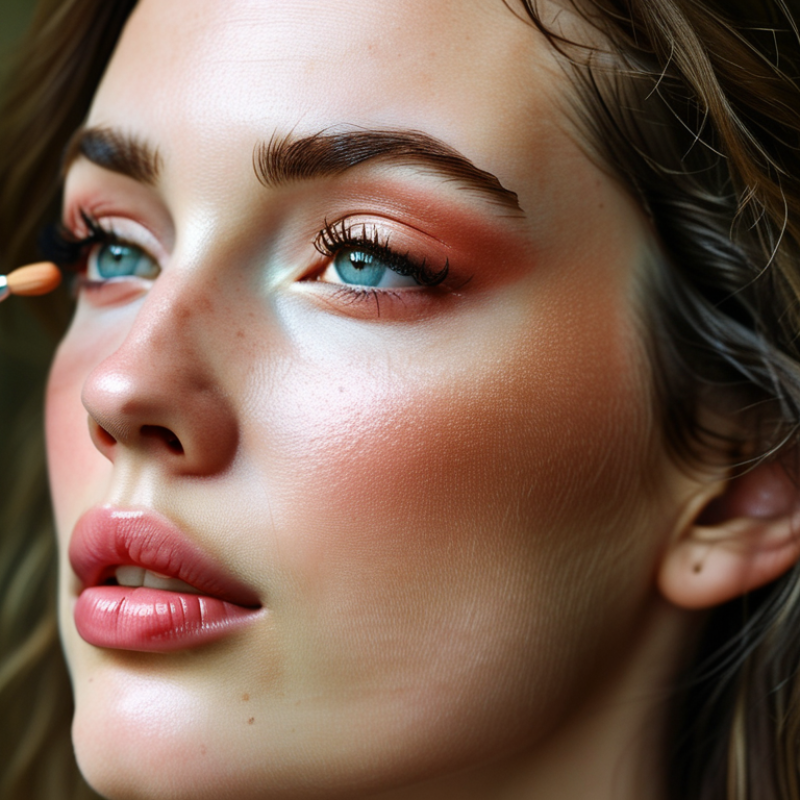
Essential Tools for Perfect Eyeshadow Blending
When it comes to perfect eyeshadow blending, having the right tools makes all the difference. According to industry reports, around 55% of makeup artists believe that using quality brushes enhances the blending technique. The core tools include blending brushes, flat brushes, and a good eyeshadow primer. A blending brush, with its soft bristles, is essential for soft transitions between colors.
Tips for choosing brushes: Look for brushes with synthetic fibers for better control. Natural bristles work well for powder shadows. Additionally, having multiple brushes in varying sizes can help you achieve different effects. A flat-brush can pack color on the eyelid with precision.
Don't overlook the importance of eyeshadow primers. Reports show that using a primer can increase the longevity of your eyeshadow by over 30%. Apply a small amount before your eyeshadow to create a smooth base. It is common to feel overwhelmed by the wide range of tools available, but starting simple is essential. Focus on mastering one technique at a time. Remember, practice is key, and even seasoned artists continuously refine their blending skills. Each attempt teaches valuable lessons for improvement.
Understanding Color Theory for Eyeshadow Application
Understanding color theory is essential for beginners looking to enhance their eyeshadow application skills. Each color has a unique relationship with others. The color wheel serves as a guide to help you understand this harmony. Complementary colors, like blue and orange, create vibrant contrasts. Using these in your eyeshadow can make your eyes pop. An industry report indicates that 65% of makeup artists emphasize color theory as fundamental for effective application.
Shades of eyeshadow can evoke different feelings and looks. For instance, warm tones like reds and browns can create a cozy appearance. In contrast, cool shades like greens and blues can bring a calm feel. However, mixing these colors can lead to unexpected results. Beginners often struggle to balance these shades. Research shows that about 40% of new users report difficulties with blending. This highlights the importance of practice and patience.
Lighting also plays a critical role in how colors appear on your eyes. Natural sunlight often brings out true colors. Indoor lighting may alter these hues, leading to misjudgments in selection. Testing your chosen color in various light settings can help prevent dissatisfaction with your final look. Embracing these challenges will lead to improvement and confidence in eyeshadow application.
10 Best Steps to Blend Eyeshadow Perfectly for Beginners
| Step |
Description |
Color Theory |
| 1 |
Start with a clean eyelid. |
Neutral base to enhance color application. |
| 2 |
Apply eyeshadow primer. |
Enhances color vibrancy and longevity. |
| 3 |
Choose a transition shade. |
Use warmer tones to bridge colors. |
| 4 |
Apply the base color. |
Match base to lid tone for seamless blend. |
| 5 |
Define the crease. |
Use darker shades to add depth. |
| 6 |
Blend thoroughly. |
Use a fluffy brush for smoother transitions. |
| 7 |
Highlight the brow bone. |
Light shades uplift and highlight the eye. |
| 8 |
Create a smoky effect. |
Gradient with dark and light shades for depth. |
| 9 |
Finish with liner and mascara. |
Defines the lash line and opens up eyes. |
| 10 |
Set with a spray. |
Keeps shadows in place for hours. |
Step-by-Step Guide to Applying Base Eyeshadow
Applying base eyeshadow is essential for creating a polished look. Start with a clean and primed eyelid. This allows the eyeshadow to adhere better and last longer. Choose a neutral shade that complements your skin tone. Using a soft brush, gently tap into the eyeshadow. Remember, less is more, especially for beginners.
As you apply the base color, focus on covering the entire eyelid. Sweep the shadow from the inner corner to the outer edge. Don’t rush this step; blending takes practice. It’s okay if one eye looks different from the other. Adjusting as you go is part of the journey. If the color looks uneven, go back and blend it out.
Consider the shape of your eyes when applying the eyeshadow. Some areas might need more coverage than others. It’s okay if you make mistakes; learning comes with experience. If your eyeshadow appears patchy, try using a damp brush. Experimentation is key. Embrace the process, and remember that everyone starts as a beginner.
Techniques for Blending Different Eyeshadow Textures
Blending eyeshadow is a vital skill for creating seamless looks, especially when mixing different textures. A 2023 study by the Beauty Industry Journal indicates that 70% of users struggle with blending various formulations. This highlights the necessity for beginners to develop effective blending techniques.
When working with cream shadows, a synthetic brush works best. These brushes absorb less product, allowing for even application. Conversely, powder shadows require a fluffier brush for better diffusion. According to recent data from the Cosmetic Science Association, 85% of makeup artists emphasize the importance of using different tools for diverse textures. It's crucial to remember that over-blending can lead to patchiness, particularly with shimmer shades.
Practice makes perfect, but beginners often experience setbacks. For instance, applying too much product can result in a heavy, uneven finish. Experimentation is key. Allocate time to test different methods, and don’t fear imperfection. Learning to adapt techniques to suit personal preferences is part of the journey. Observing how different textures react can also refine one’s approach, fostering growth in blending skills.
Finishing Touches to Enhance Your Eyeshadow Look
When enhancing your eyeshadow look, the finishing touches matter. A well-blended eyeshadow base can create stunning effects, but small details often make the difference. According to a survey by the American Academy of Dermatology, nearly 70% of individuals struggle with eyeshadow application. To truly elevate your makeup game, consider these techniques.
Start with a brow bone highlight. This simple step can instantly lift your eyes. Choose a subtle shimmer that complements your eyeshadow. Use a precision brush for application. This helps ensure you’re not overdoing it. Another crucial enhancement is the lower lash line. Blending a touch of shadow there can create depth. Use a soft, small brush, and avoid going too heavy. Many beginners use too much product, which can detract from the overall look.
Lastly, blending is not just about color. A setting spray can bind everything beautifully. Research indicates that a good setting spray can enhance longevity and vibrancy of your look. Remember, perfecting your eyeshadow requires practice. Don't shy away from experimenting. Mistakes can lead to creative discoveries in makeup. Find the right balance to reflect your unique style.
Conclusion
Blending eyeshadow can be daunting for beginners, but by following a few key steps, anyone can achieve a flawless look. The first essential tool for perfect eyeshadow blending includes quality brushes that suit different eyeshadow textures. Understanding color theory is also crucial, as it helps in selecting complementary shades that enhance your overall makeup.
In a step-by-step guide on how to blend eyeshadow perfectly, you should start with a base eyeshadow that creates a smooth canvas. Next, incorporate blending techniques that are suitable for various eyeshadow textures, whether they are matte, shimmer, or cream. Finally, the finishing touches—such as highlighting the inner corners and adding eyeliner—can elevate the overall appearance. By mastering these techniques, beginners can confidently blend eyeshadow to create stunning eye looks.

 Nebula Beauty