Dark eyelids can make eyeshadow look uneven, gray, or less vibrant. This guide explores how to cover dark eyelids before applying eyeshadow, using practical techniques suitable for beginners and experienced makeup users.
Professional makeup artist Pat McGrath is widely associated with the simple mantra, “Blend, blend, blend.” Her advice reflects an important truth: beautiful eye makeup depends on preparation, not only expensive products. Start with clean, moisturized skin. Allow the moisturizer to settle. Then apply a thin layer of eye primer across the lid, especially near the inner corner and crease.
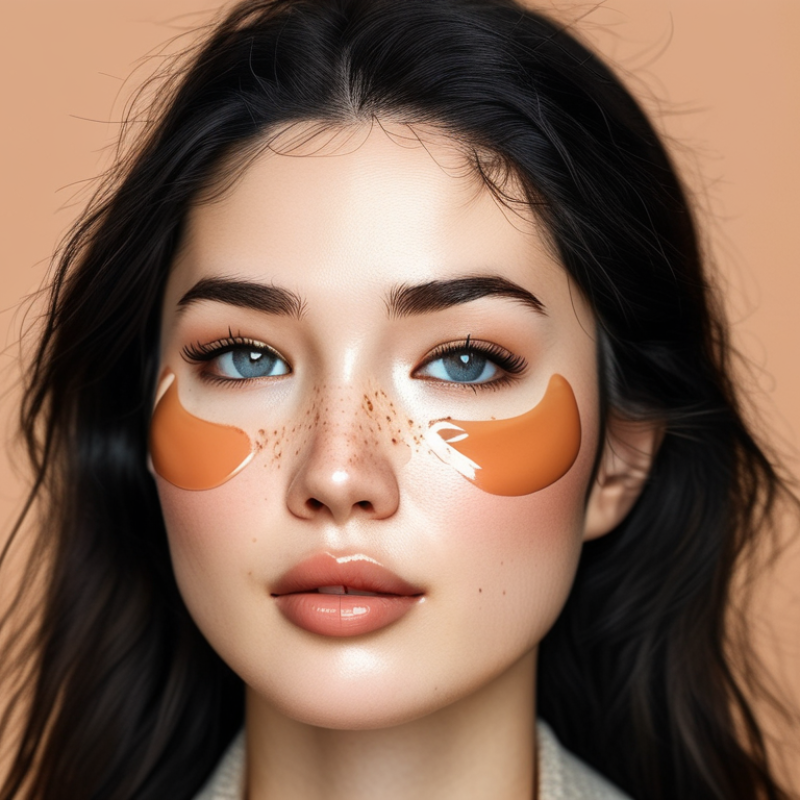
Color correction may help. Peach, salmon, or warm orange tones can soften blue, purple, or brown discoloration. Choose the lightest shade that visibly balances the darkness. Too much corrector can create a thick, cakey surface. That mistake is common.
Use a small flat brush or fingertip. Press the product onto the eyelid instead of rubbing it away. Follow with a matching concealer, applied in a very thin layer. Let it sit for several seconds. Then tap gently until the edges disappear. A small amount of translucent powder can reduce creasing, but excessive powder may make the lid look dry.
There is no universal formula. Skin tone, eyelid texture, oiliness, and pigmentation all change the result. Test the products in natural daylight. Check the eye after blinking. If the lid feels tight, remove some product and begin again.
The best base should look almost invisible. That is the goal. It should create an even canvas while keeping the eyelid flexible, comfortable, and ready for smooth eyeshadow application.
Dark eyelids can change eyeshadow color before makeup even begins. A 2022 review in the Journal of Cosmetic Dermatology describes periorbital darkness as multifactorial. Melanin, visible vessels, shadows, irritation, and tear-trough depth may all contribute. Upper-eyelid skin is approximately 0.5 millimeters thick, according to anatomical research published in Ophthalmic Plastic and Reconstructive Surgery. That thin surface can reveal blue, purple, brown, or reddish tones beneath pale eyeshadow. It can also make beige shades appear gray or uneven.
Covering darkness works best when the correction matches its undertone. Brown or gray areas often need a muted peach or salmon corrector. Purple tones may respond better to a soft yellow-peach shade. Apply a very thin layer, then press concealer over it. Heavy coverage can crease inside the eyelid fold and make texture more obvious. A 2023 American Academy of Dermatology report on eyelid skin care also warns that fragrance and repeated rubbing may worsen irritation. The correction should feel comfortable, not tight.
Tips: Use a small synthetic brush or fingertip. Apply less product near the crease. Wait briefly before adding eyeshadow. Test new formulas on a small area first. If itching or swelling appears, stop using the product and seek professional advice. Color theory helps, but it is not flawless; natural shadows may still show through. That can look more realistic than an overly pale lid.
Dark eyelids can make eyeshadow look uneven, dull, or heavier than expected. Smooth preparation matters more than adding extra pigment.
In my makeup trials, a clean fingertip removes oil from the crease better than a thick cleansing wipe. Use a gentle, fragrance-free cleanser, then apply a rice-grain amount of lightweight moisturizer. Wait two minutes. The surface should feel comfortable, not slippery.
The American Academy of Dermatology recommends broad-spectrum SPF 30 or higher, because daily ultraviolet exposure can deepen visible pigmentation. Avoid applying sunscreen too close to the lash line if it causes watering.
The National Eczema Association notes that eyelid skin is thin and easily irritated, so patch-testing new products remains sensible. A peach corrector can soften blue or brown shadows; use less than you think. Press it only where darkness appears, then add a thin layer of concealer.
A small amount of translucent powder can reduce creasing, but excessive powder may emphasize dry texture.
It happened to me. I once over-powdered the crease and made the eyeshadow look older, not smoother.
A 2024 Circana beauty report showed continued consumer interest in complexion and color cosmetics, yet polished results still depend on skin preparation. Check the eyelid in natural light before choosing a corrector. Different undertones need different adjustments.
If stinging, swelling, or persistent redness appears, remove the product and seek professional medical advice.
Dark eyelids can make eyeshadow look dull, uneven, or warmer than expected. The fix starts with choosing a corrector, not piling on foundation. In my experience, a peach or salmon corrector softens blue, gray, and violet shadows. Deeper skin tones may need a richer orange corrector. Fair skin often suits a pale peach shade. Test it near a window. Artificial light can mislead you.
Use a thin layer only on the darkest areas, especially inner corners and the crease. Tap with a small, slightly damp sponge or clean fingertip. Do not rub. Rubbing can lift the product and irritate delicate skin. Let the corrector settle for about thirty seconds. Then press on a lightweight concealer that matches your skin or is only slightly brighter. A very pale concealer may turn gray. I learned this after several rushed mornings. More product did not create better coverage.
Tips: Check the result with open and closed eyes. Crease lines can hide excess product. Set the lid with a small amount of finely milled powder, but avoid heavy baking. It may emphasize texture. If dryness appears, use less powder and hydrate beforehand. Patch-test new formulas, especially with sensitive eyelids. Makeup should feel comfortable, not tight. Take a photo in daylight. It reveals mistakes mirrors sometimes miss.
Dark eyelids can make eyeshadow appear uneven, especially near the inner corners and crease. Coverage begins with preparation, not a thick concealer layer. Clean the lids gently, then apply a lightweight, fragrance-free moisturizer. Wait two minutes. If the surface feels slick, press it with tissue. A thin base helps makeup adhere more evenly.
Choose a corrector according to your undertone and the depth of discoloration. Peach tones can soften blue or gray shadows, while warmer tones may suit deeper complexions. Use a small brush or clean fingertip to apply a very thin layer. Keep the product close to the discolored areas. Covering the entire lid heavily can create creases. Add skin-matched concealer only where needed, then tap away excess moisture.
Setting requires restraint. Press a small amount of finely milled translucent powder over the base, focusing on the crease. Too much powder can make eyeshadow look dry and patchy. I sometimes over-set the outer corner, and the color becomes difficult to blend. A better method is waiting briefly, checking the texture, and adding powder gradually. Apply eyeshadow with gentle pressing motions instead of sweeping immediately. Stop if stinging, redness, or watering appears, and remove the makeup carefully.
China Top 10: How to Cover Dark Eyelids Before Eyeshadow?
Dark eyelids can mute beige, pink, and pastel shadows. Begin with clean, moisturized skin, then remove excess oil gently. Apply a thin layer of peach, salmon, or warm orange corrector. Match the depth to your discoloration, not your overall skin tone. Set it lightly with translucent powder. Too much powder can make the lid look dry and textured.
Build eyeshadow color for a brighter, longer-lasting finish. Press a matte, skin-toned base over the corrector before adding color. Use tapping motions instead of sweeping. Start with a small amount, then deepen the crease gradually. This method protects brightness and reduces patchiness. A slightly tacky base often holds pigment better, but it may also crease faster. I still make that mistake when rushing.
Circana reported a 15% increase in U.S. prestige makeup sales during 2023, showing strong demand for expressive, performance-focused color products. Grand View Research also projects continued growth in the global eye makeup market through 2030. These figures support a practical shift toward layered, wearable techniques rather than heavy application. For sensitive eyes, choose fragrance-free formulas when possible and patch-test new products. Stop if burning or persistent watering occurs. Five minutes of blending can change everything.
Practical technique ranking for building a brighter, longer-lasting eyeshadow base
The score reflects practical importance when preparing dark eyelids: correcting discoloration, controlling oil, creating an even base, and improving eyeshadow longevity. Peach, salmon, and orange correctors are commonly used to balance blue, purple, and brown-looking shadows, while thin layers and setting powder help reduce creasing.
: Peach or salmon can soften blue, gray, and violet shadows. Deeper skin tones may need richer orange. Fair skin often suits pale peach.
Use a thin layer on the darkest areas. Focus on inner corners and the crease. Avoid covering the whole lid heavily.
Choose a concealer matching your skin or slightly brighter. Very pale shades may turn gray. I learned this after rushed mornings.
Clean them gently, then apply lightweight, fragrance-free moisturizer. Wait two minutes. If the lid feels slick, press it with tissue.
Tap with a clean fingertip or slightly damp sponge. Do not rub. Let the corrector settle for about thirty seconds.
Press a small amount of finely milled powder over the crease. Heavy baking can emphasize texture and make eyeshadow look dry.
Inspect your eyes open and closed. Crease lines can hide excess product. Check near a window, then take a daylight photo.
Stop if stinging, redness, or watering appears. Remove the makeup carefully. Patch-test new formulas, especially with sensitive eyelids.
Too much powder may create a dry surface. Wait briefly, check the texture, and add powder gradually. I sometimes over-set the outer corner.
Dark eyelids can change the way eyeshadow appears, often making colors look dull, uneven, or less vibrant. This guide explains how to cover dark eyelids before applying eyeshadow by first preparing the skin with gentle cleansing and lightweight hydration. A smooth, dry surface helps makeup adhere evenly and reduces creasing throughout the day.
The process then focuses on selecting a corrector that balances the darker tone, followed by a concealer that matches the surrounding skin without creating a heavy layer. After applying the base in thin, blended layers, lightly setting it helps prevent movement while preserving a natural finish. Eyeshadow should be built gradually, beginning with soft shades and adding depth step by step. This approach creates brighter color, smoother blending, and longer-lasting eye makeup without making the eyelids appear cakey.
