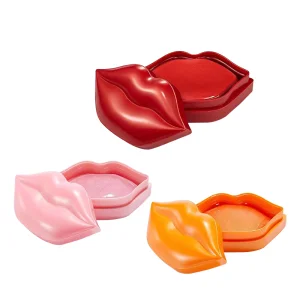
Explore our hot-selling private-label innovations, designed to provide immediate skin benefits and targeted cosmetic solutions.
The global eye care market is experiencing a massive paradigm shift. Consumers are moving away from generic all-in-one creams toward targeted, localized skin treatments that yield instant visual results. Among these, the eye patch has risen to prominence as a high-margin, high-efficacy cosmetic solution. Historically used primarily in luxury salons and spa treatments, eye patches are now an essential category in mass skin care portfolios, thanks to technological improvements in transdermal delivery systems and hydrogel stabilization.
From an industrial perspective, the production of eye patches relies heavily on raw material purity and chemical stabilization. Today’s market demand is split between several major categories:
As the digital era expands screen time for consumers globally, issues such as puffiness, dark circles, and dynamic eye wrinkles have escalated in prominence. Consequently, the commercial eye patch market is projected to reach an estimated valuation of over USD 2.5 billion by 2028, with compound annual growth rates (CAGR) exceeding 6.5%. Sourcing managers must look beyond simple cosmetic suppliers and focus on manufacturers with deep material science capabilities and robust regulatory certifications.
When searching for a partner under the keyword "Top 10 Eye Patches Factory & Suppliers", B2B procurement professionals must analyze the geographic advantages of different manufacturing clusters. Understanding these regional capabilities ensures alignment with product quality standards, budgets, and target-market regulations.
China (particularly Guangdong and Zhejiang clusters) leads in high-capacity output, advanced automated packing, and cost efficiency. South Korea remains a premier hub for high-end formulation and active ingredient research, particularly in the hydrogel sector.
Focus on high-purity medical grade bio-cellulose, strict quality control processes, and highly stable vitamin derivative formulas. Production costs are typically higher but suited for luxury market placements.
Provide local, fast-turnaround production that complies strictly with local cosmetic guidelines (EU cosmetics regulation 1223/2009). These suppliers are optimal for localized supply chains seeking carbon-footprint reduction.
Key parameters for validating a factory include check-ups on GMP (Good Manufacturing Practice) standards, ISO 22716 certification, heavy metal and microbiological testing capabilities, and the flexibility of their filling line machinery. Many mass-market brands fail at launch because of sub-par packaging sealing, leading to dried-out hydrogel sheets during sea freight. Working with an experienced exporter mitigates these supply chain risks.
Yiwu Nebula Beauty Co., Ltd. is a professional manufacturer and export-oriented supplier specializing in beauty, cosmetics, and personal care products. The company integrates product development, production, quality control, and global trade services, providing comprehensive OEM/ODM solutions for international clients.
With a strong focus on innovation, quality consistency, and customer-oriented service, the company continuously upgrades its production capabilities and design portfolio to meet the fast-evolving demands of the global beauty market. We welcome partners from all over the world to visit our factory and explore long-term cooperation opportunities.
We adhere to the principle of “Quality First, Innovation Driven, and Sustainable Growth.” Our goal is not only to manufacture products, but to help clients build competitive and recognizable beauty brands in their target markets. We value long-term partnerships built on trust, reliability, and consistent product performance.
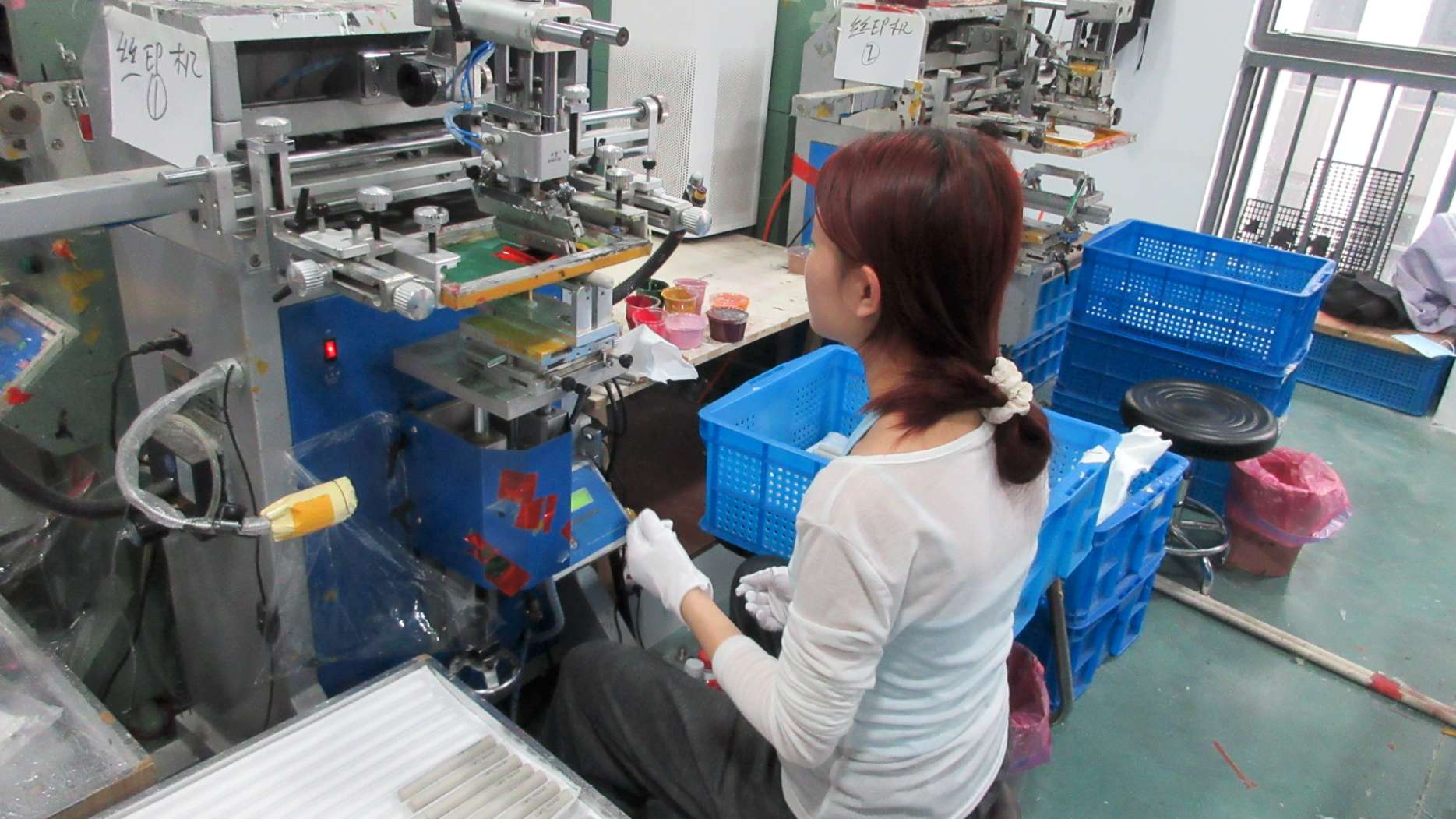
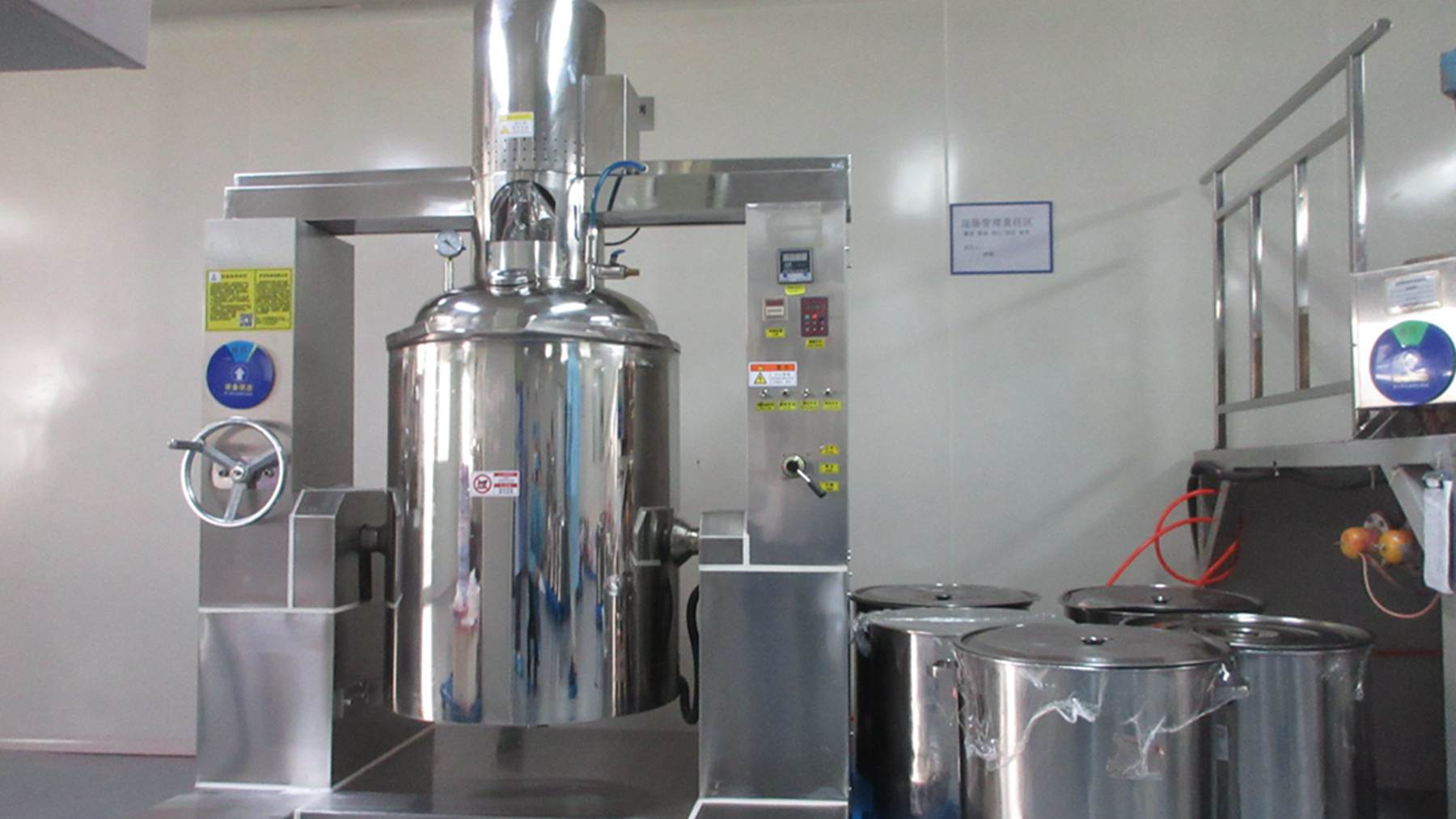
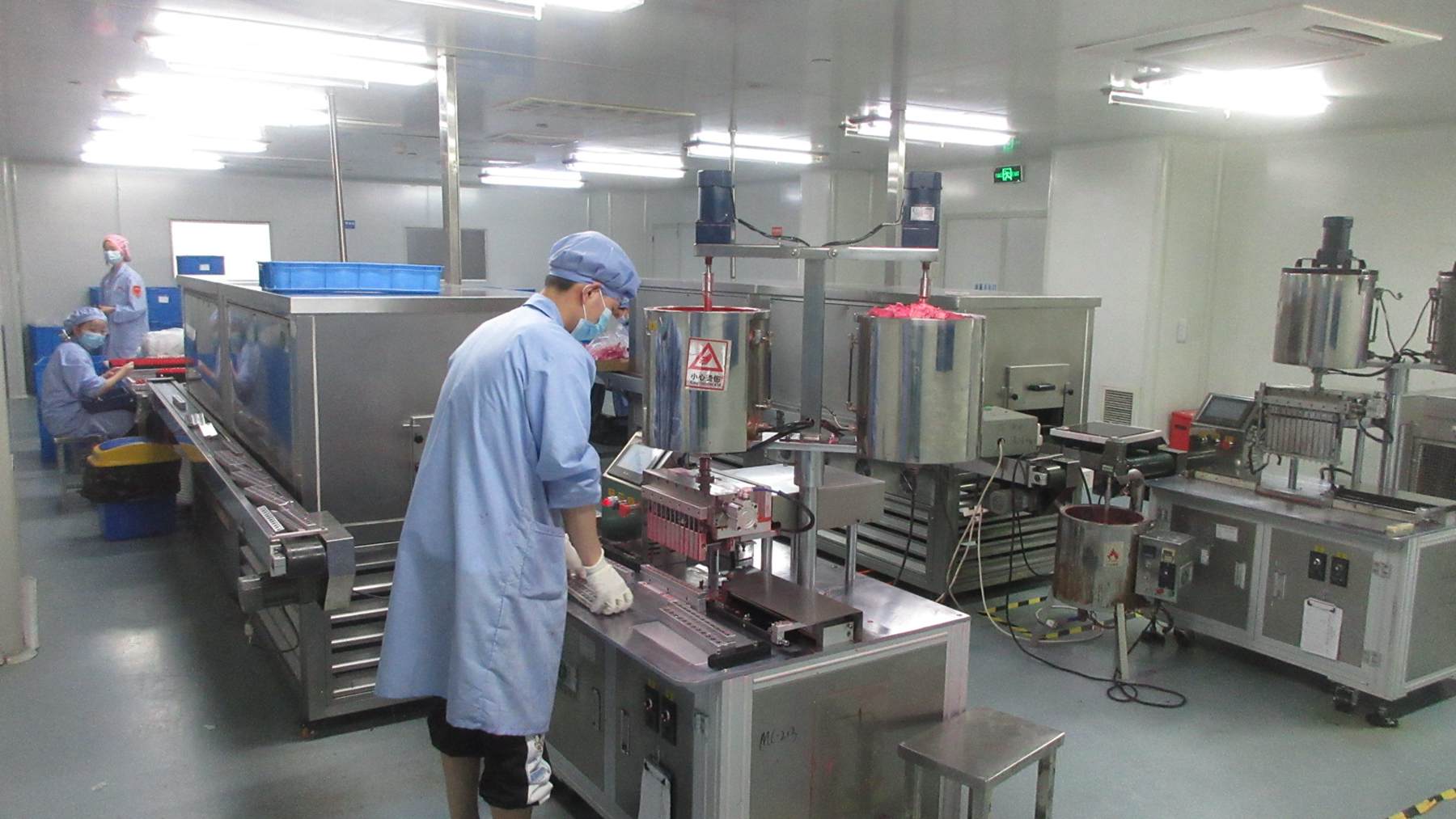
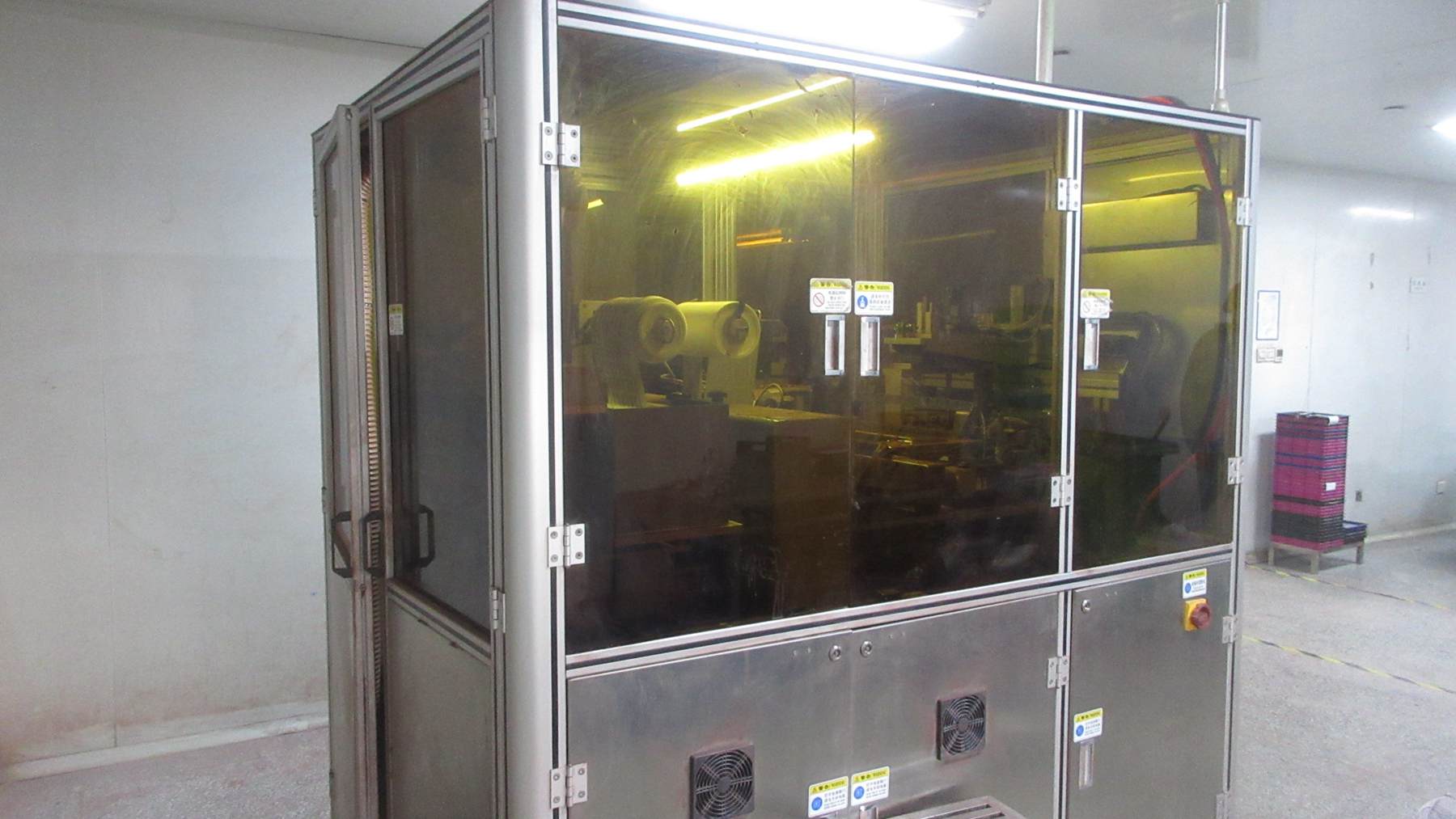
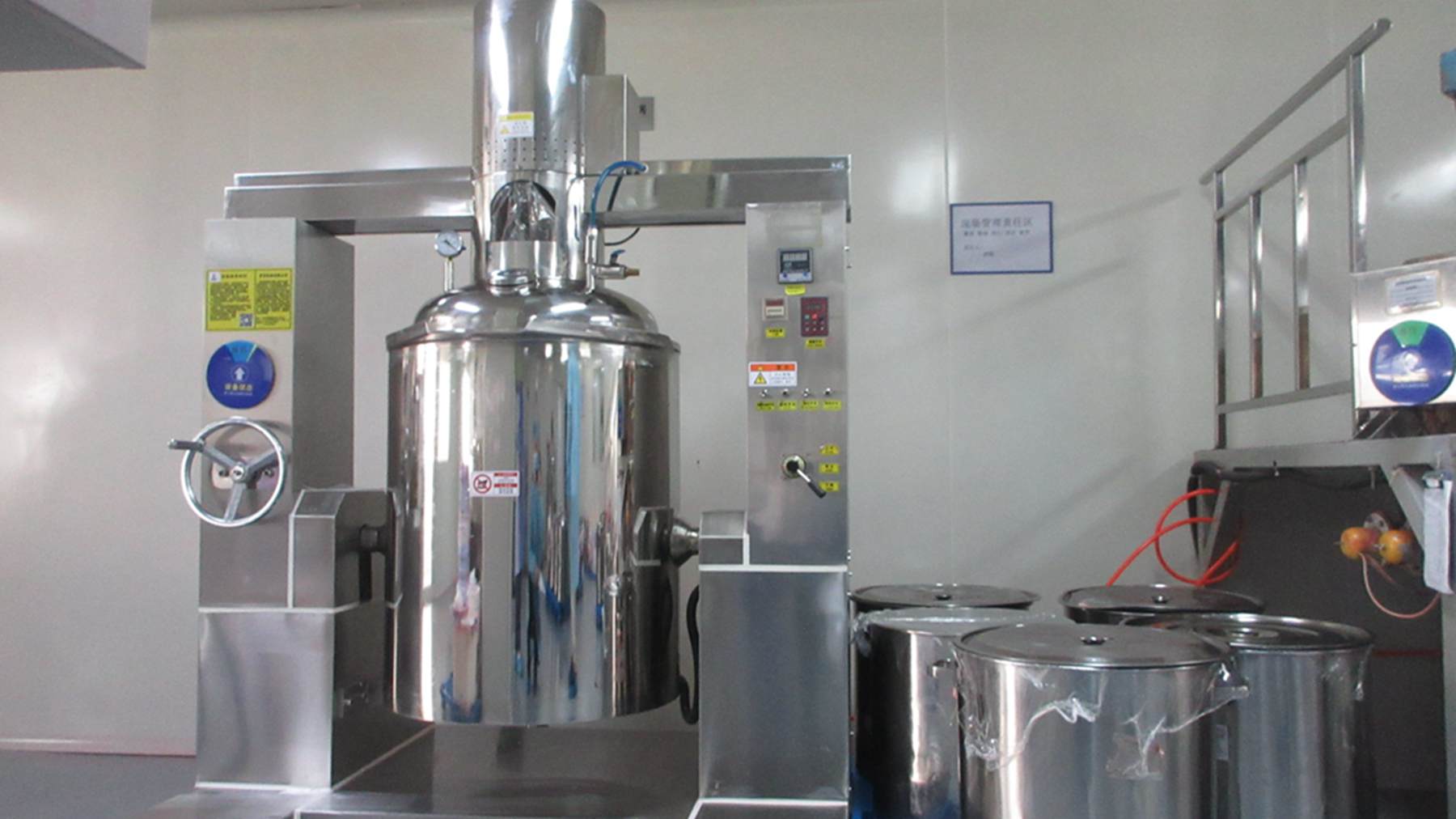
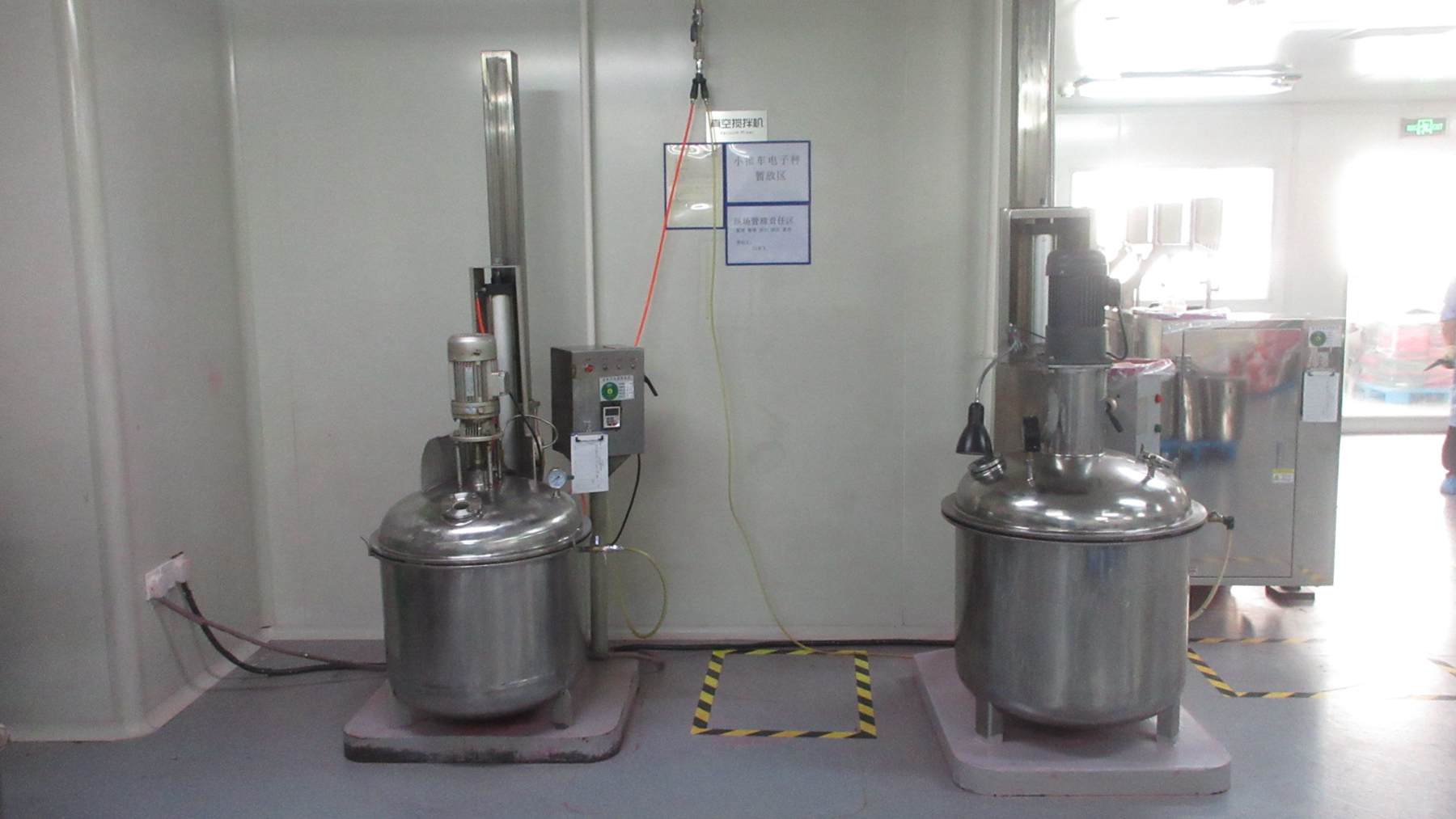
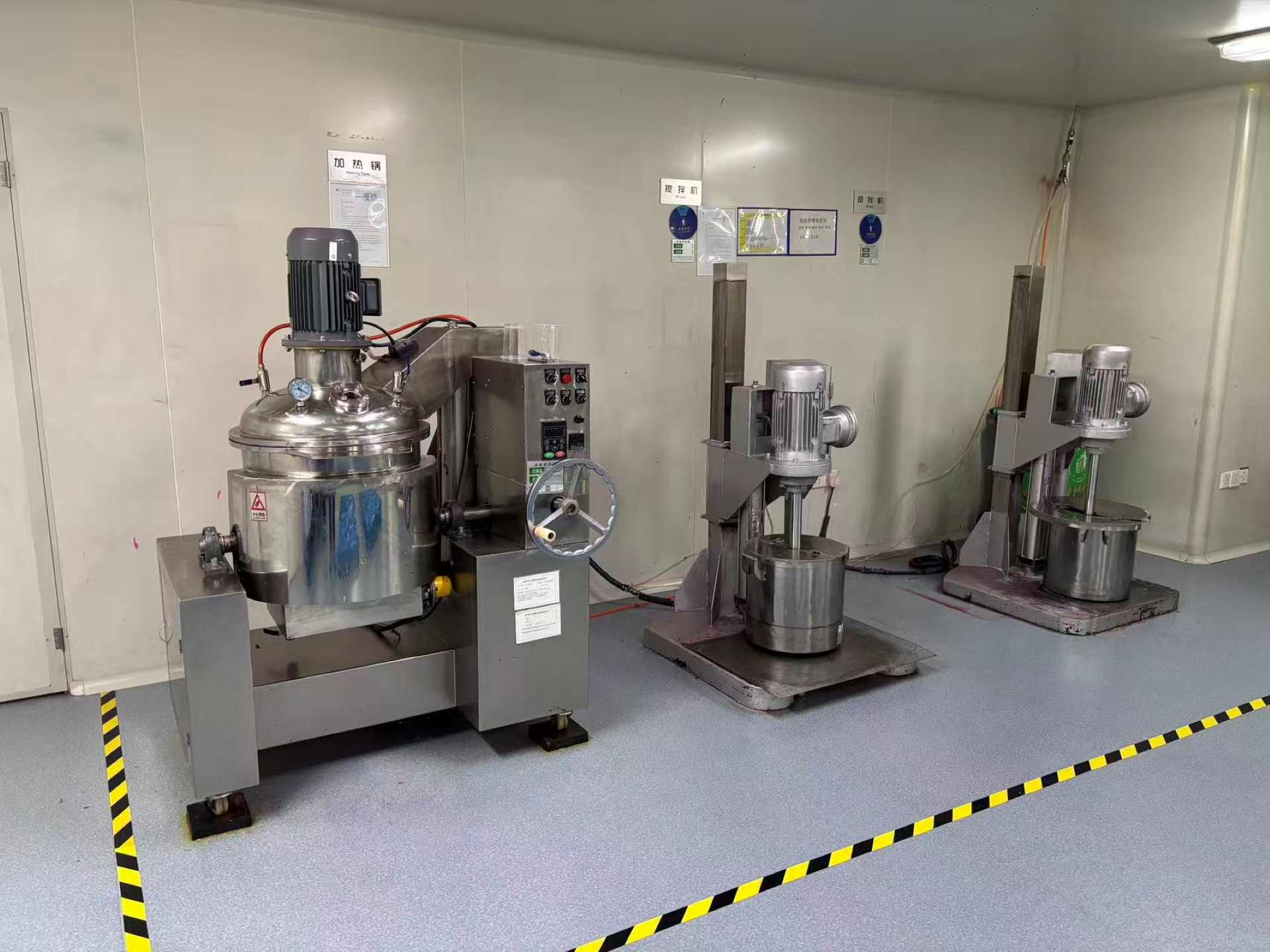
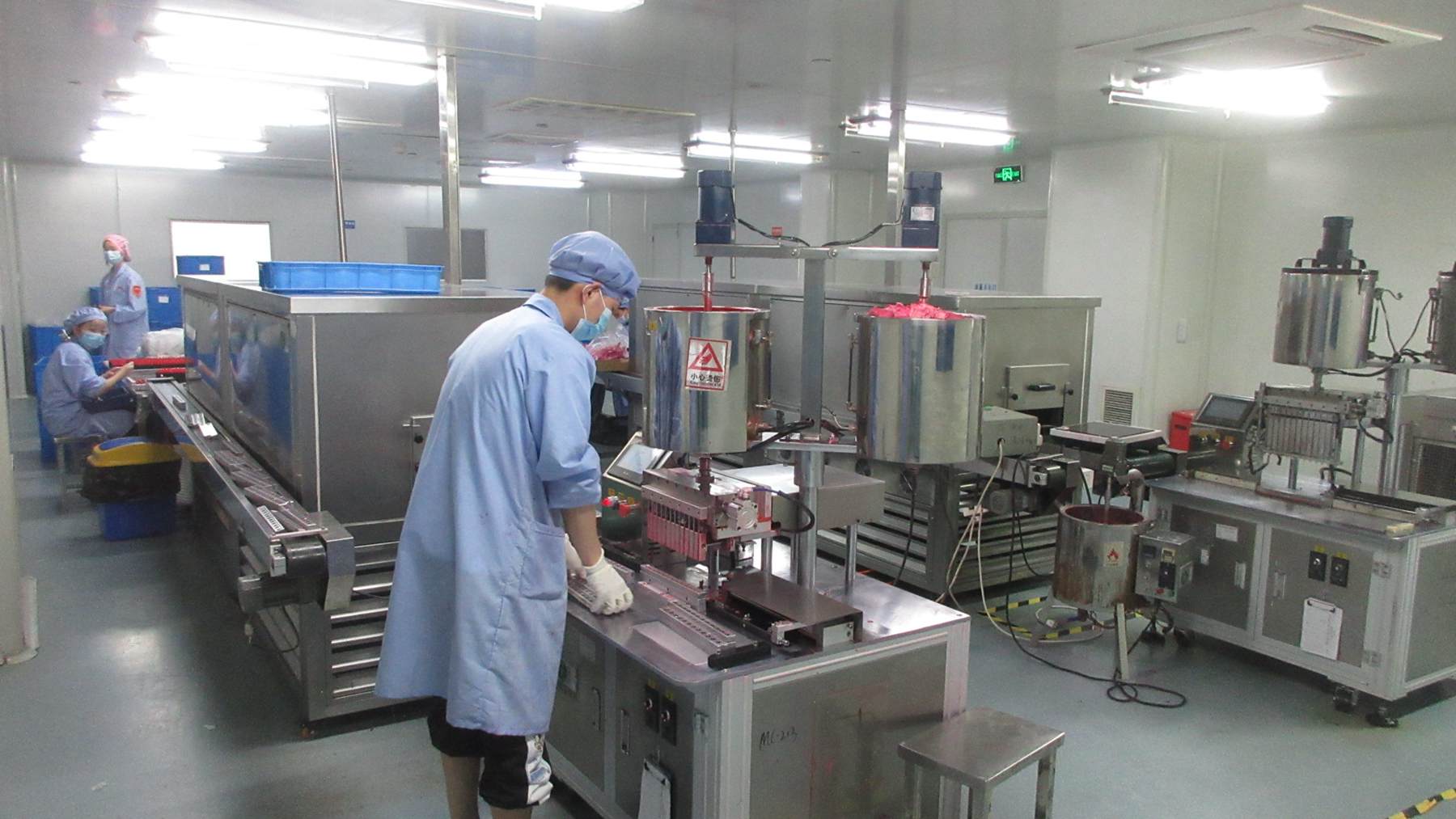
Transparent production workflow from printing to final storage, matching global cosmetic manufacturing benchmarks.

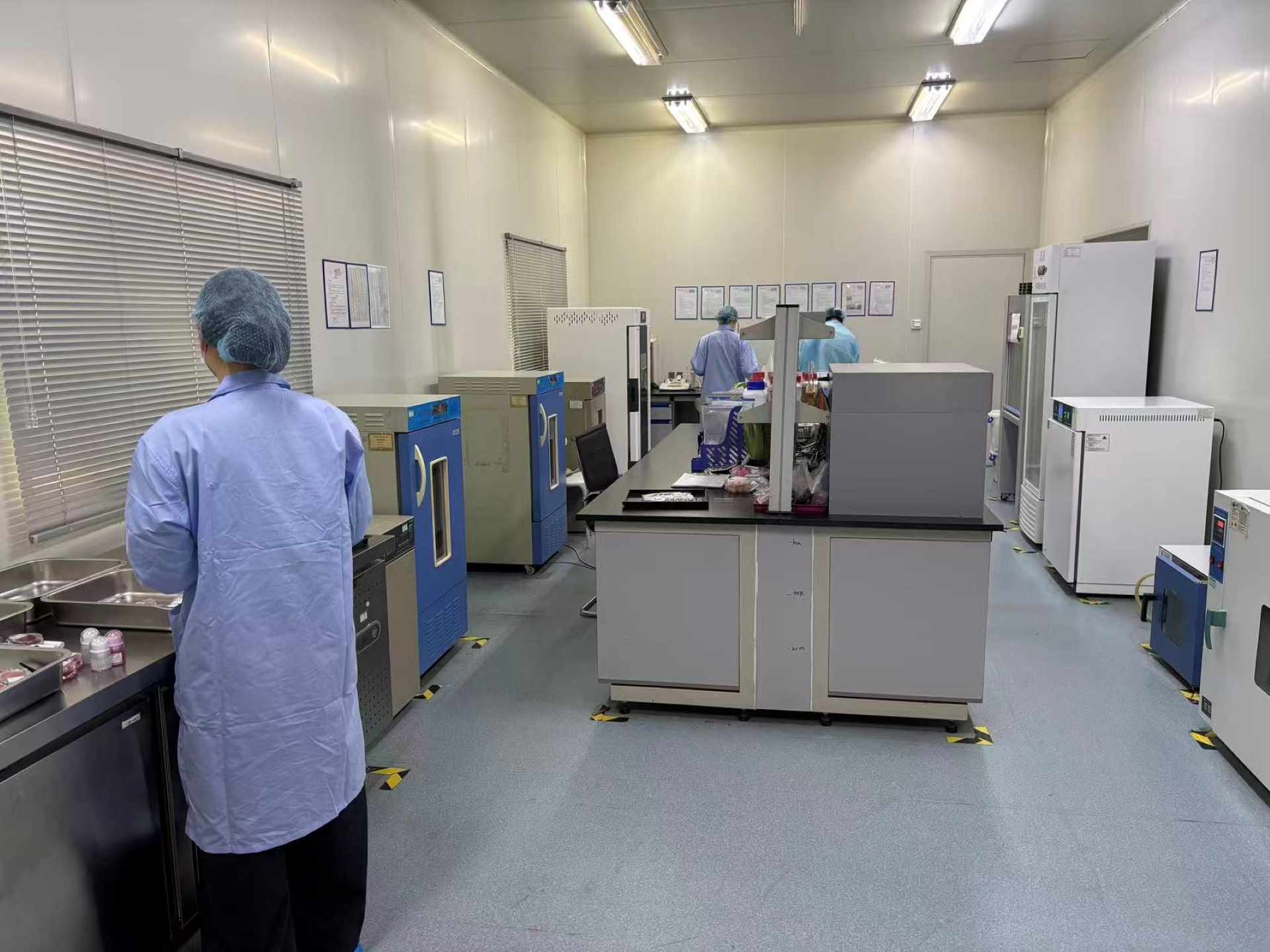
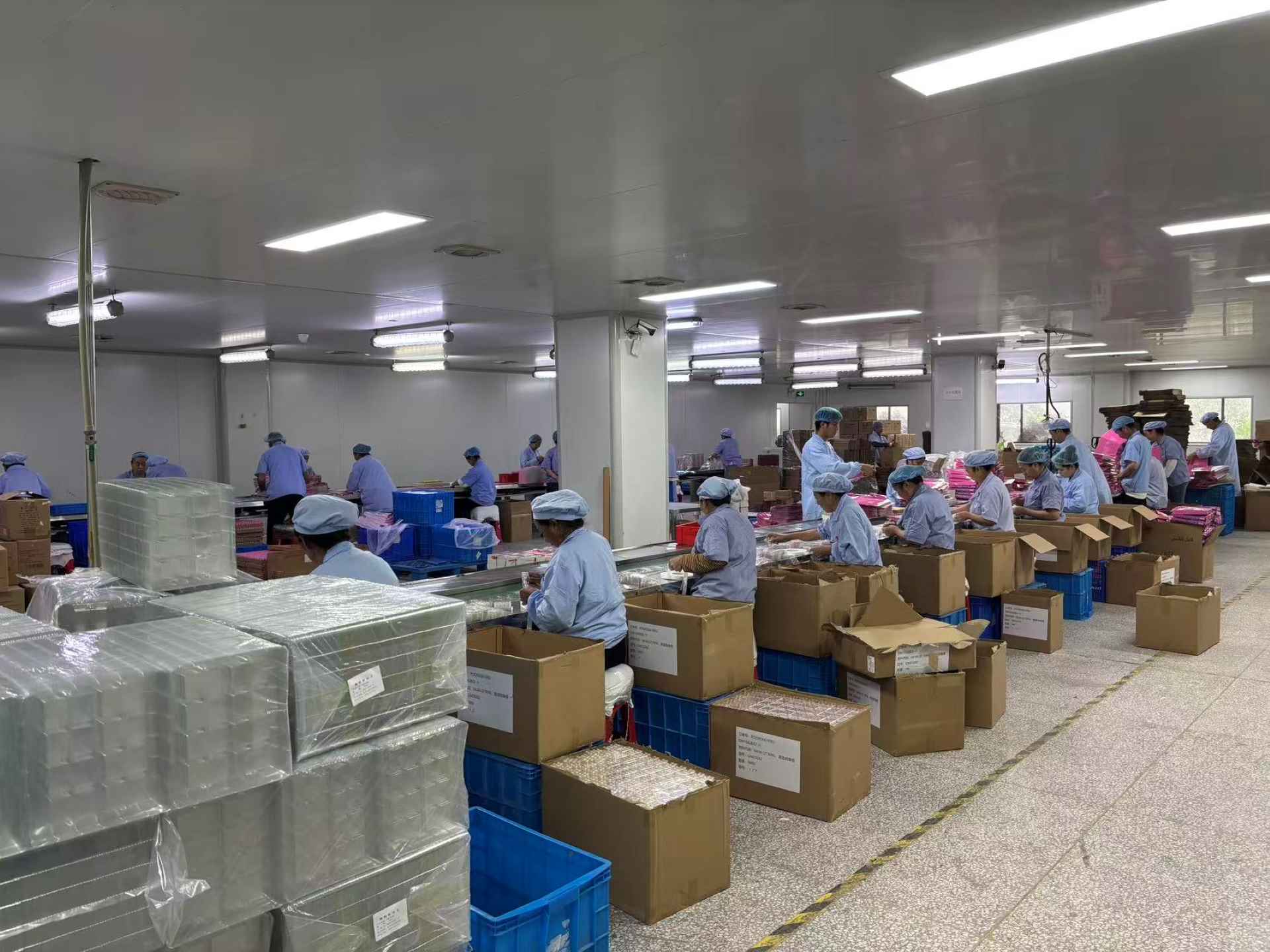
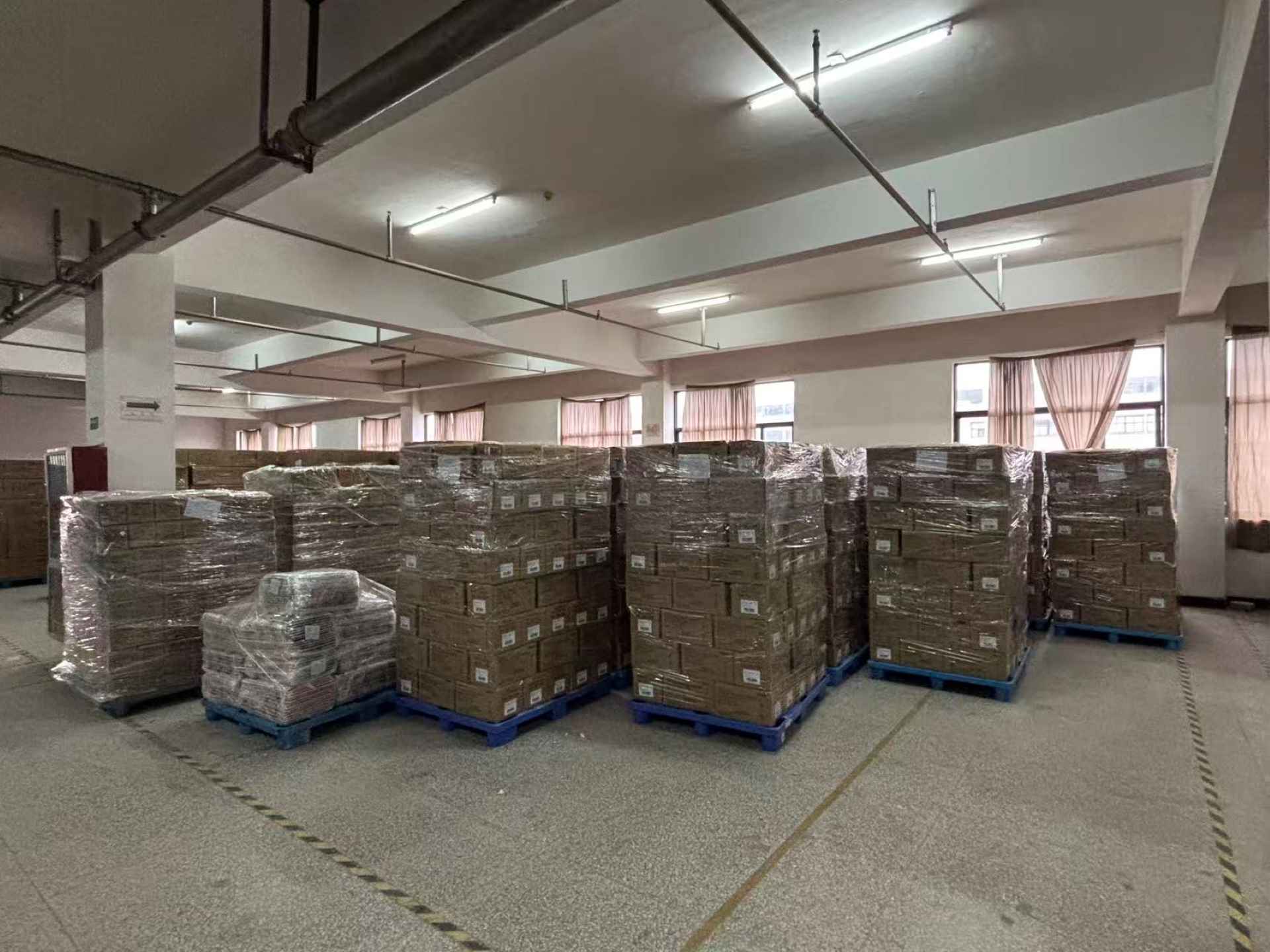
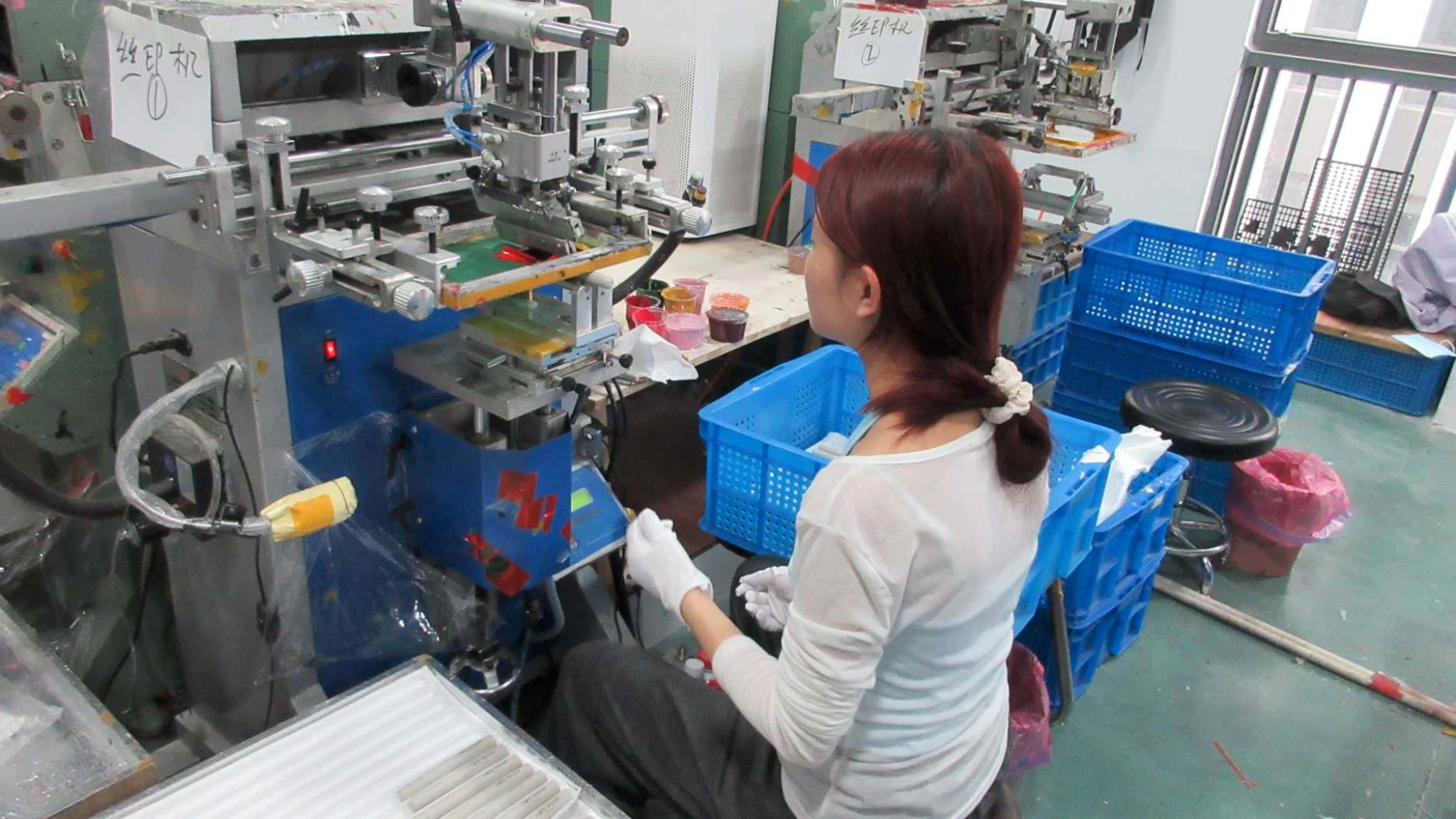
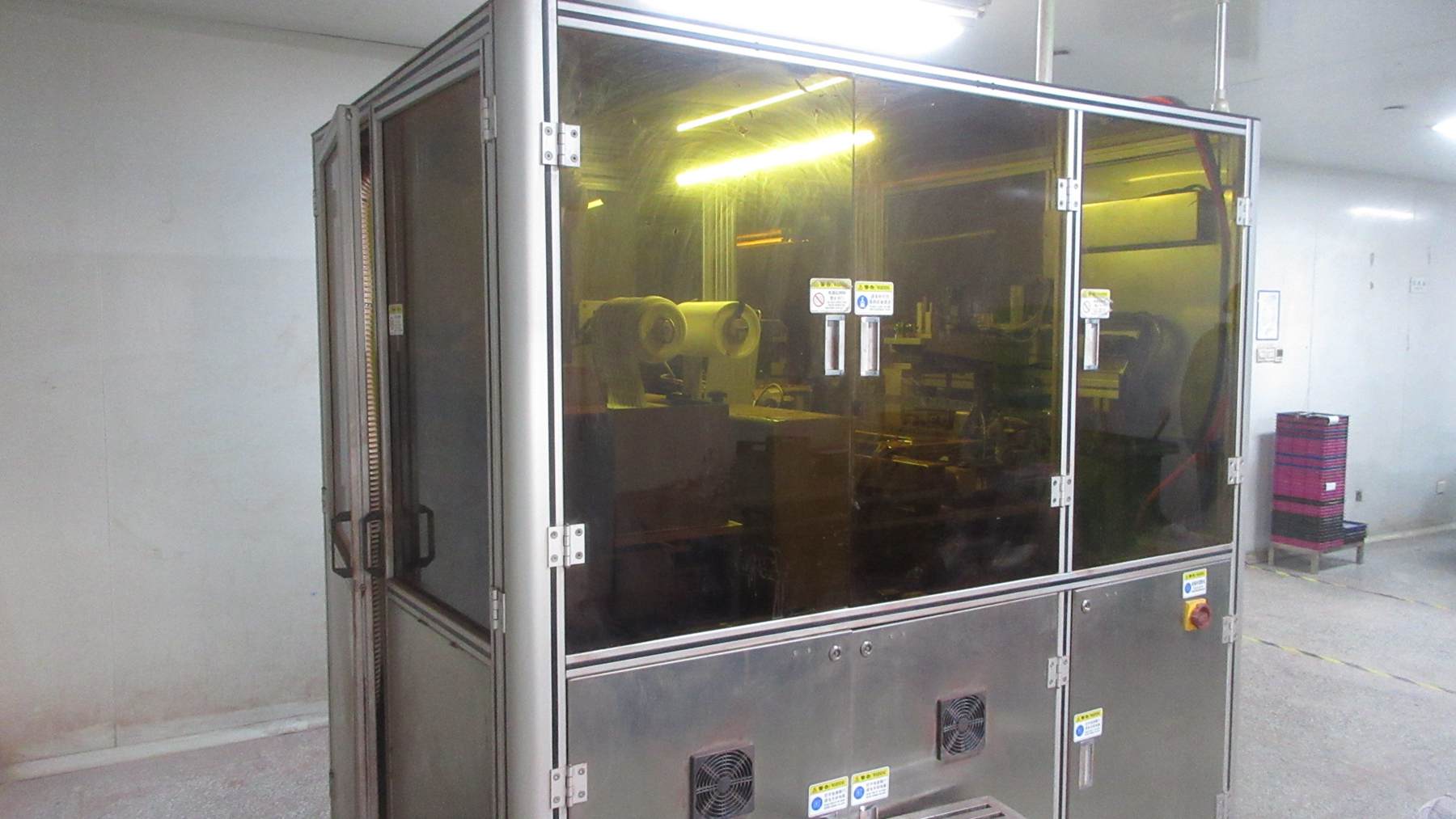
As skincare technology merges with biomedical research, eye patch manufacturing is evolving. We categorize the roadmap into four primary pillars:
Highly sensitive cosmetic actives like Retinol, Vitamin C, and bio-peptides degrade rapidly in water-dominant formulas. High-end eye patch factories utilize micro-encapsulation and liposome delivery technologies. These lipid membranes safeguard the active ingredients, keeping them stable until they contact the skin’s enzymes, triggering a targeted release.
While hydrogel remains a market staple due to its cooling sensation and optical clarity, biodegradable plant polymers (such as konjac glucomannan and alginate) are replacing synthetic plastics. Modern factories are moving toward clean-label hydrogels that dissolve completely in warm water (at around 40°C), minimizing packaging waste and appealing to eco-conscious consumers.
Dissolvable micro-needles represent the bridge between topical cosmetics and invasive medical procedures. By using high-precision silicone molds to cast hyaluronic acid into microscopic needles (ranging between 200 to 500 microns in length), active molecules penetrate the stratum corneum painlessly. When the needle dissolves, the active ingredients are absorbed directly into the targeted layers of the skin, maximizing efficacy.
Looking ahead, factories are experimenting with color-changing thermal hydrogels that visually signal when the nutrient transfer is complete. These patches transition from opaque to transparent as the skin absorbs the key active compounds, offering consumers an interactive, visible confirmation of efficacy.
For international cosmetic brands, importing eye patches in bulk presents unique supply chain challenges. Hydrogel patches contain high levels of water and are sensitive to temperature extremes. Sourcing teams must implement solutions to address these variables:
During transit through equatorial shipping lanes, container temperatures can exceed 55°C, causing hydrogels to liquefy or lose structural integrity. We suggest shipping hydrogel products in climate-regulated reefer containers or utilizing thermal protective blankets. Our packaging layers incorporate high-barrier aluminum-plastic foils that protect the product from solar heat and moisture loss.
Due to the high water activity inside hydrogel packaging, maintaining a robust preservation system is critical. Leading factories employ automated sterilized filling systems inside ISO Class 5/7 cleanrooms to ensure compliance with microbiological standards. Heavy metal limits and microbial counts are verified for every batch, satisfying strict import requirements for North American and European regulatory bodies.
Navigating FDA registrations, PIF (Product Information File) dossiers, and EU CPNP notifications requires substantial technical expertise. A premium factory supplier must provide full ingredient lists (INCI names), safety data sheets (SDS), and stability testing data. This documentation is essential for smooth customs clearance and compliance check-ups.
Technical answers to critical procurement, chemical formulation, and logistics inquiries.
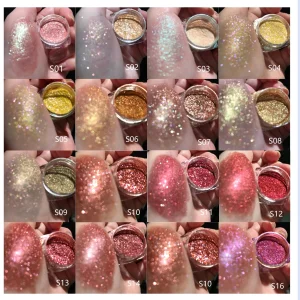
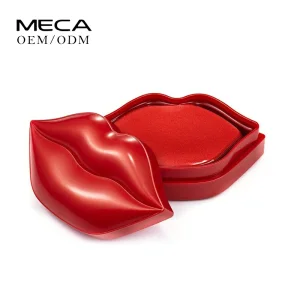
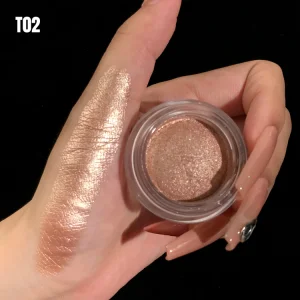
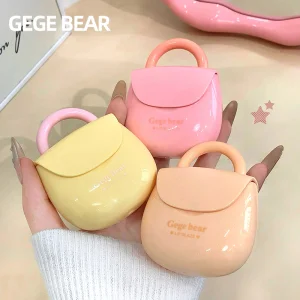
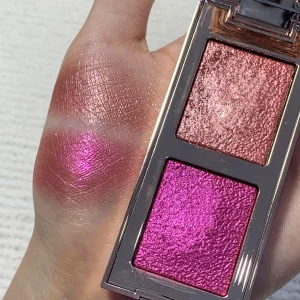
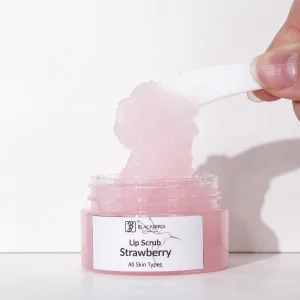
Discover our broad catalog of high-pigment cosmetics, nourishing lip care, and private label skin solutions.
 Nebula Beauty