An Industry Whitepaper on Global Sourcing Trends, Chinese Manufacturing Excellence, and Advanced OEM/ODM Cosmetic Formulation Technologies (2025 Edition)
1. Introduction: The Strategic Importance of Selecting the Right Eyeshadow Palette Factory
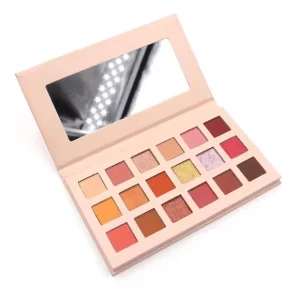
In the hyper-competitive global beauty market, brand success is intrinsically tied to the agility, reliability, and technological capabilities of its supply chain. For cosmetic brands, retailers, and private label importers, finding a premier eyeshadow palette manufacturer is not merely a transaction; it is a critical partnership. The modern consumer demands pigment richness, high blendability, clean/vegan formulas, and environmentally conscious packaging. Consequently, exporters must leverage state-of-the-art production environments and comply with strict global safety regulations to deliver high-quality makeup palettes.
This comprehensive industry whitepaper analyzes the mechanical, chemical, and logistics frameworks that define the world's leading eyeshadow palette factories. Drawing upon industrial manufacturing standards, compliance protocols, and consumer demand mining, we outline why Chinese factories stand at the center of the cosmetic export industry and how specialized manufacturers like Yiwu Nebula Beauty Co., Ltd. enable global brands to scale rapidly while minimizing market entry barriers.
2. Industrial Dominance: China's Competitive Advantage in Eyeshadow Manufacturing
China remains the undisputed epicentre of cosmetic formulation, packaging fabrication, and secondary assembly. For global cosmetic sourcing directors, utilizing a Chinese eyeshadow palette factory offers profound structural advantages that are impossible to duplicate elsewhere:
Complete Supply Chain Integration
From raw pigment suppliers (micronized mica, chameleon pigments, multichromes) to cardboard packaging designers and magnetic pan manufacturers, the entire ecosystem is concentrated within key industrial hubs. This minimizes internal logistics delays and slashes lead times.
Technological & Formulative Agility
Chinese cosmetic R&D centers lead in developing new tactile experiences—such as "hybrid cream-to-powder", "waterproof mineral pressings", and "duo-chrome metallic dispersions". Factories adapt instantly to global beauty trends seen on social media.
Economies of Scale & Customization
Whether executing a high-volume launch of 100,000 units for a mass-market retailer or piloting a niche run of 1,000 custom palettes for an indie startup, automated pressing lines and modular packaging lines allow for highly competitive per-unit costs.
Yiwu Nebula Beauty Co., Ltd. is a professional manufacturer and export-oriented supplier specializing in beauty, cosmetics, and personal care products. The company integrates product development, production, quality control, and global trade services, providing comprehensive OEM/ODM solutions for international clients. With a strong focus on innovation, quality consistency, and customer-oriented service, the company continuously upgrades its production capabilities and design portfolio to meet the fast-evolving demands of the global beauty market. We welcome partners from all over the world to visit our factory and explore long-term cooperation opportunities.
Company Philosophy
We adhere to the principle of “Quality First, Innovation Driven, and Sustainable Growth.” Our goal is not only to manufacture products, but to help clients build competitive and recognizable beauty brands in their target markets. We value long-term partnerships built on trust, reliability, and consistent product performance.
Our Core Advantages for Global Cosmetics Importers
Free Samples Available
We provide free or low-cost samples for selected products, helping clients evaluate quality, packaging, and formulation before placing bulk orders.
3000+ Ready-to-Market Designs
Our extensive design library offers a wide selection of styles, structural packaging solutions, and product concepts to accelerate brand development and shorten time-to-market.
Fast & Efficient Communication
Our sales and support team ensures quick responses to inquiries, typically within 12 hours, enabling smooth communication and efficient project handling across different time zones.
Strong OEM/ODM Capability
We offer full customization services, including product formulation development, private label manufacturing, packaging design, logo branding, and customized color or texture options.
Strict Quality Control System (QC)
Every production stage is closely monitored by an experienced quality control team with more than 10 years of industry expertise, ensuring compliance with international quality standards.
Continuous Product Innovation
Our R&D and design teams consistently develop new beauty concepts, seasonal collections, and trending products to help clients stay competitive in fast-changing markets.
3000+
Custom Palette Packaging Styles
12h
Average Inquiry Response Time
10+ Yrs
QC Team Manufacturing Expertise
100%
Cruelty-Free & Vegan Options
4. Industrial Execution: End-to-End Production Process
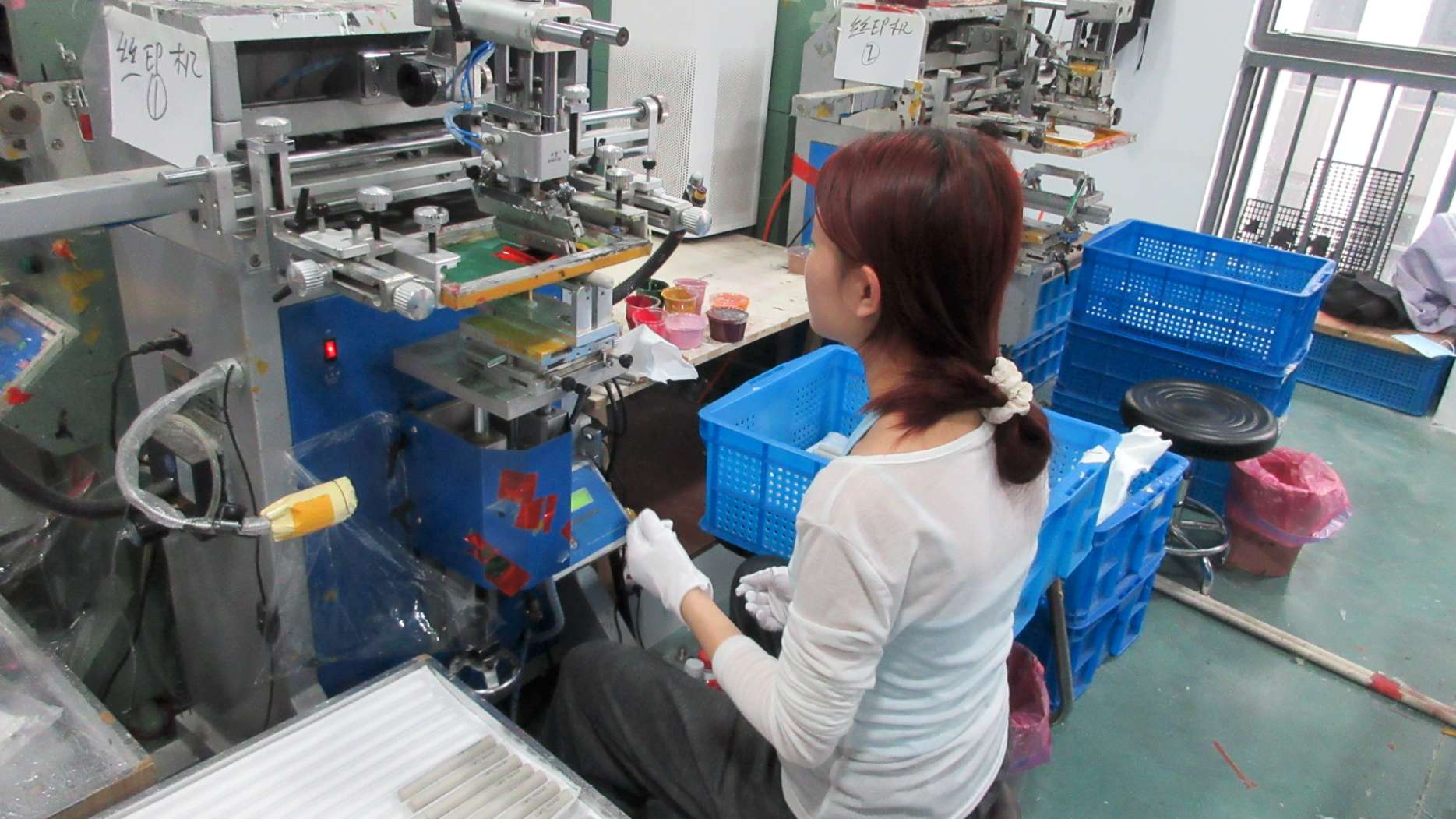
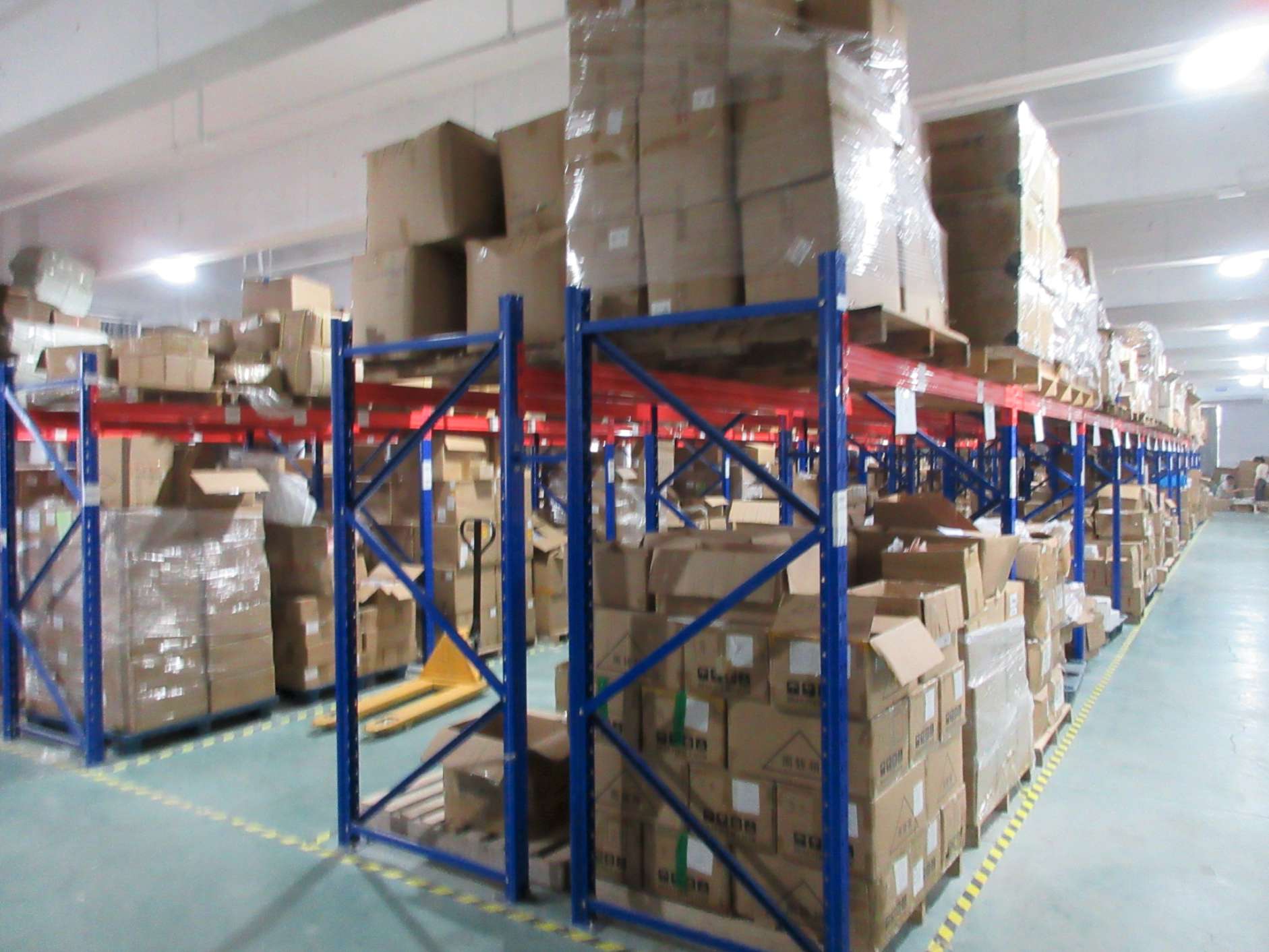
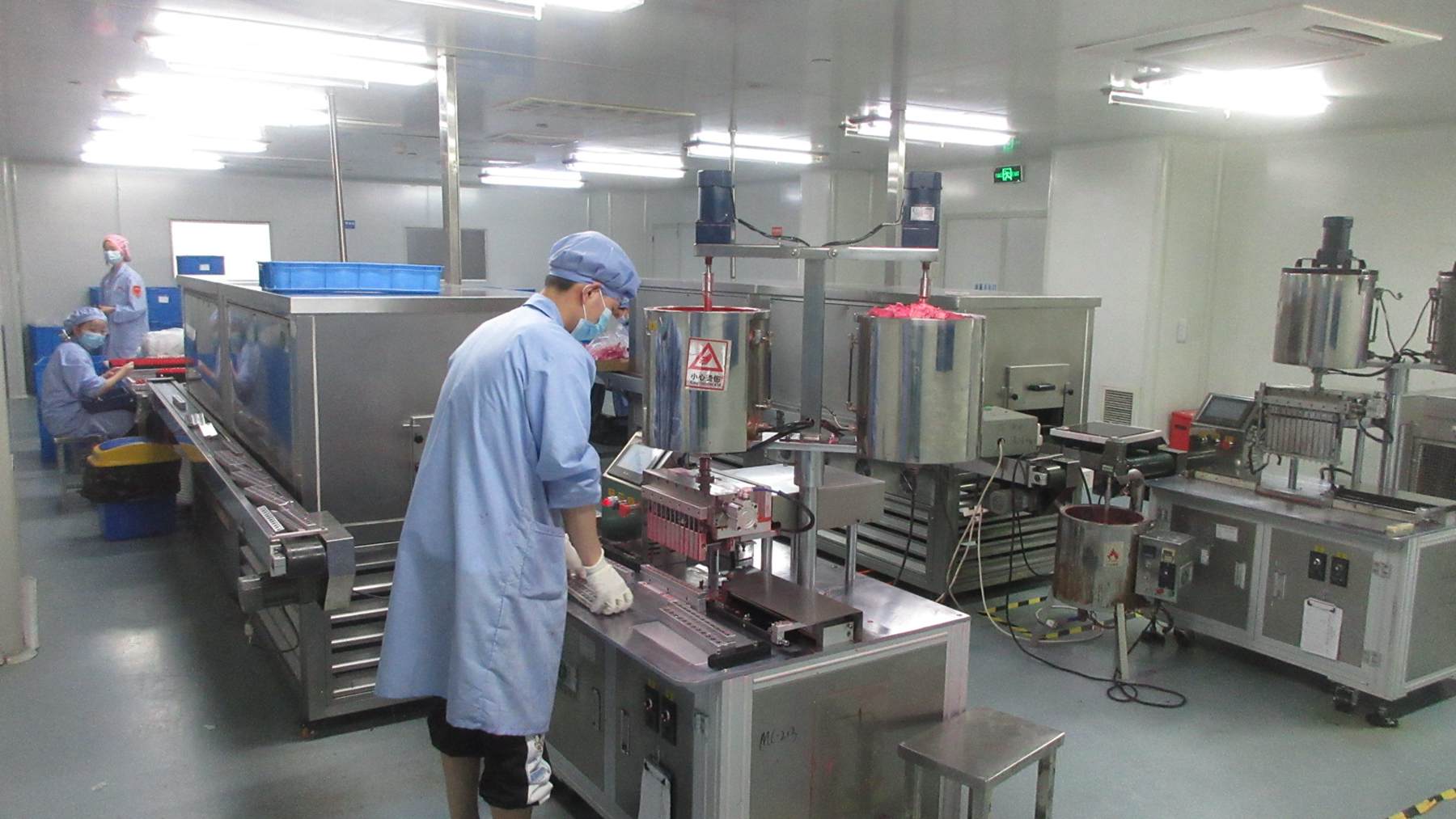
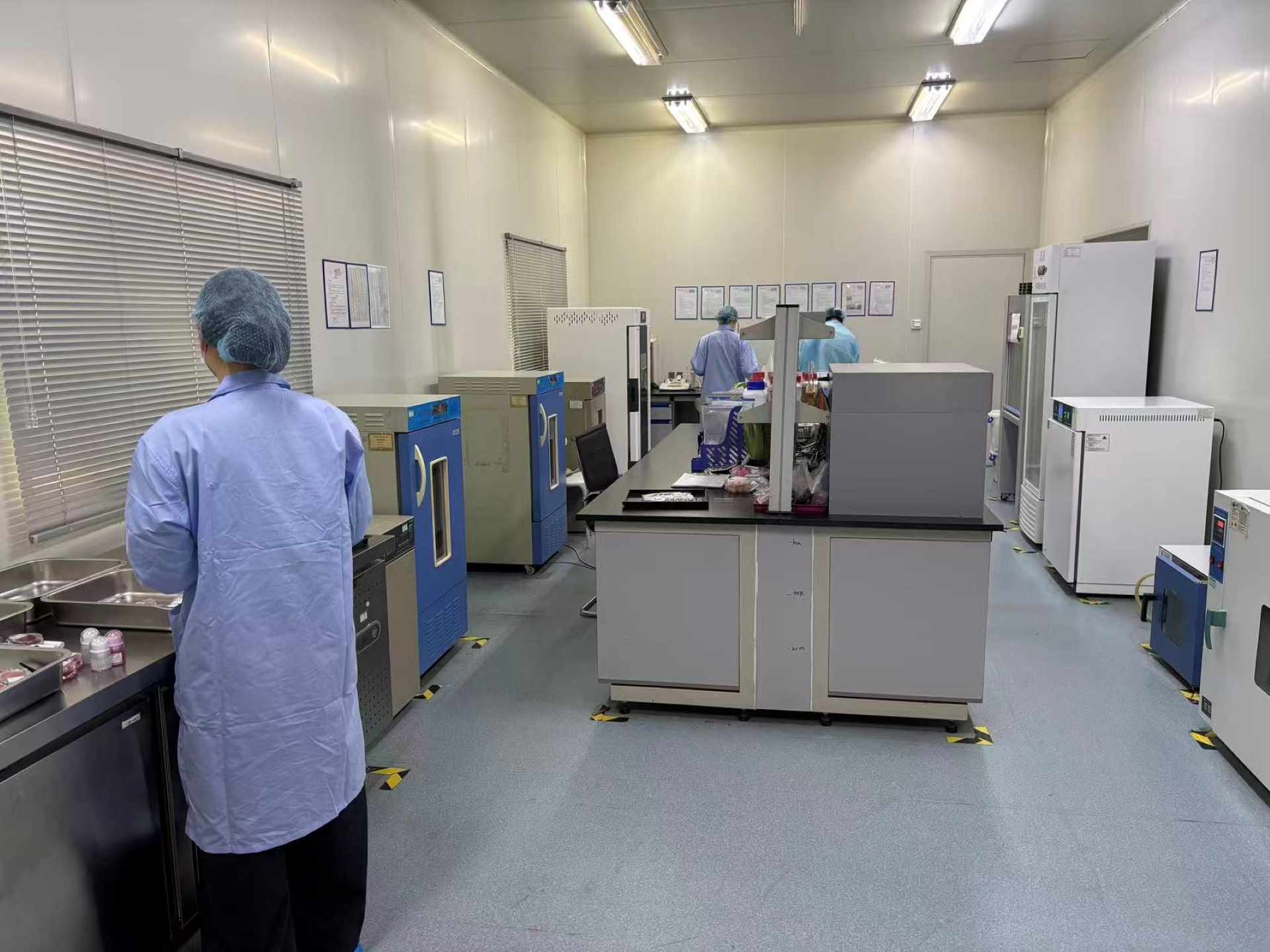
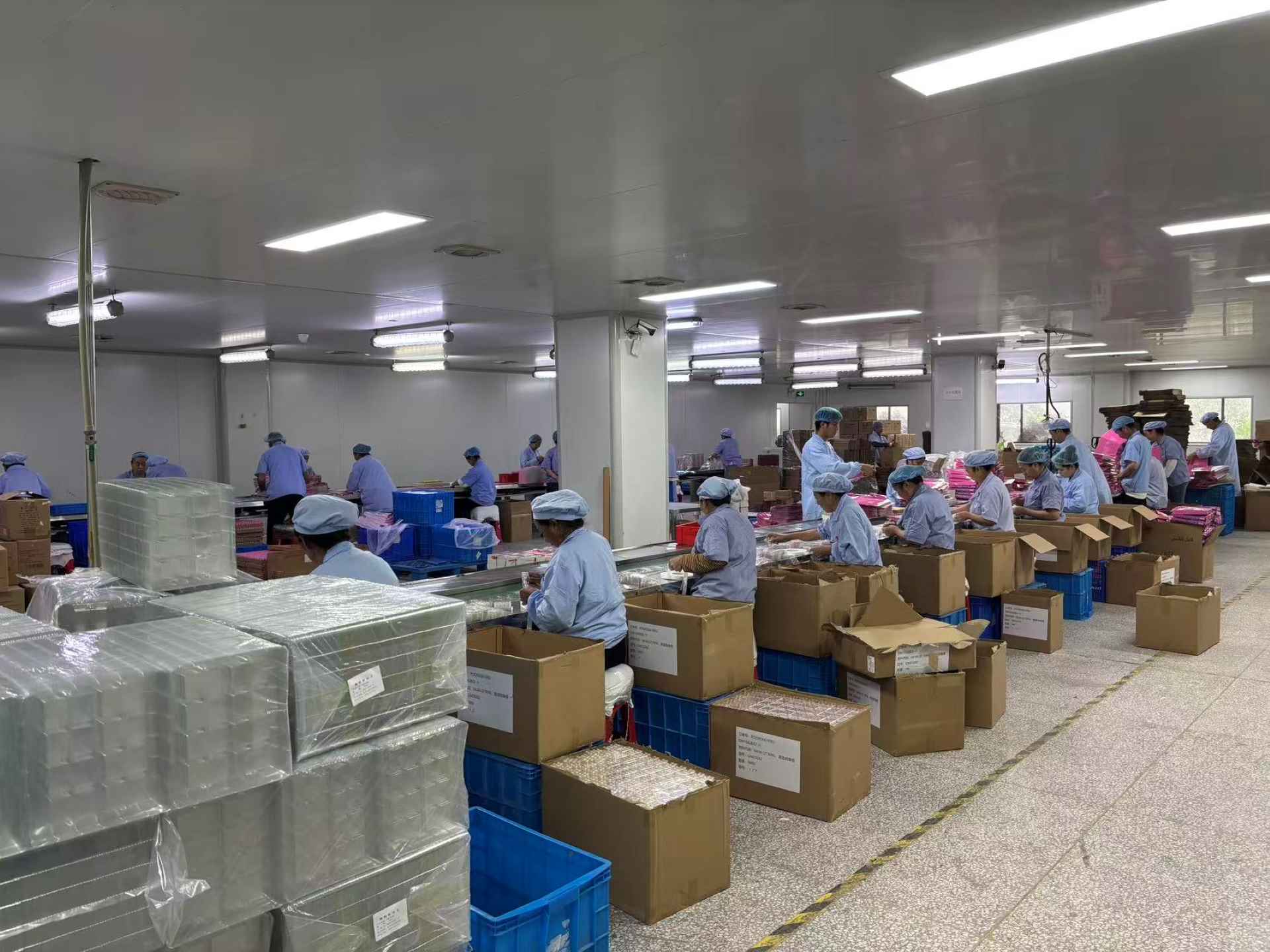
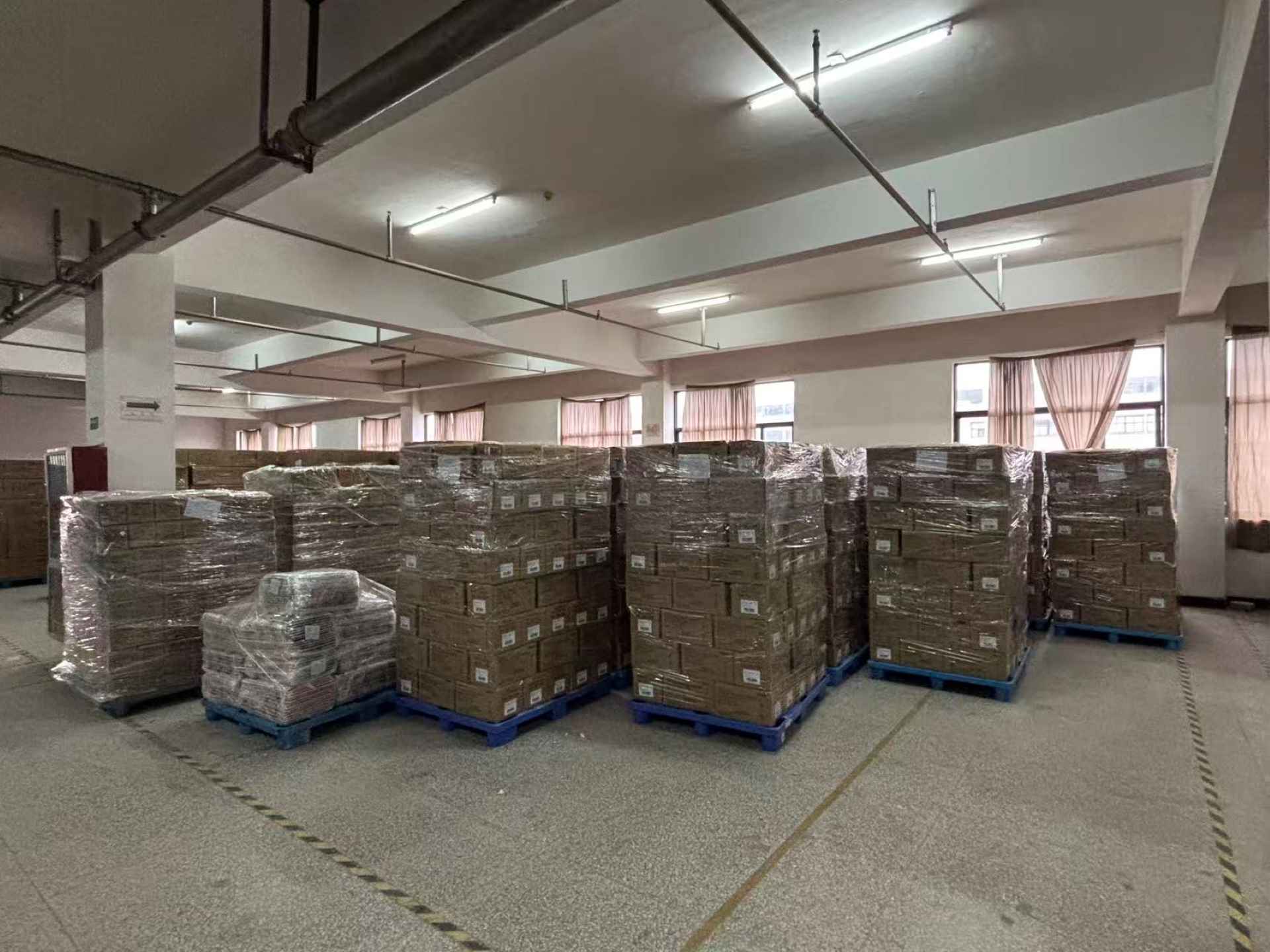
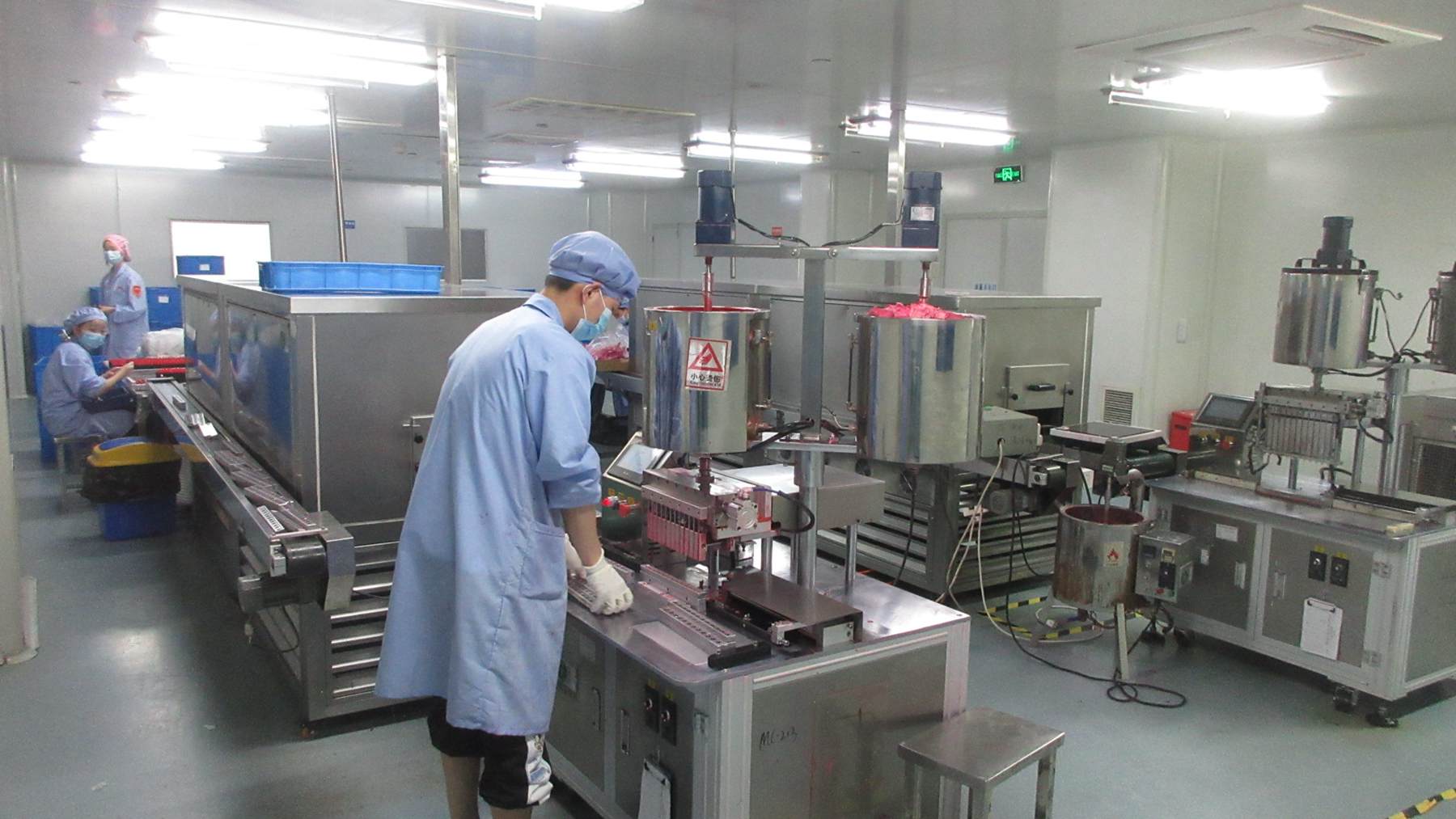
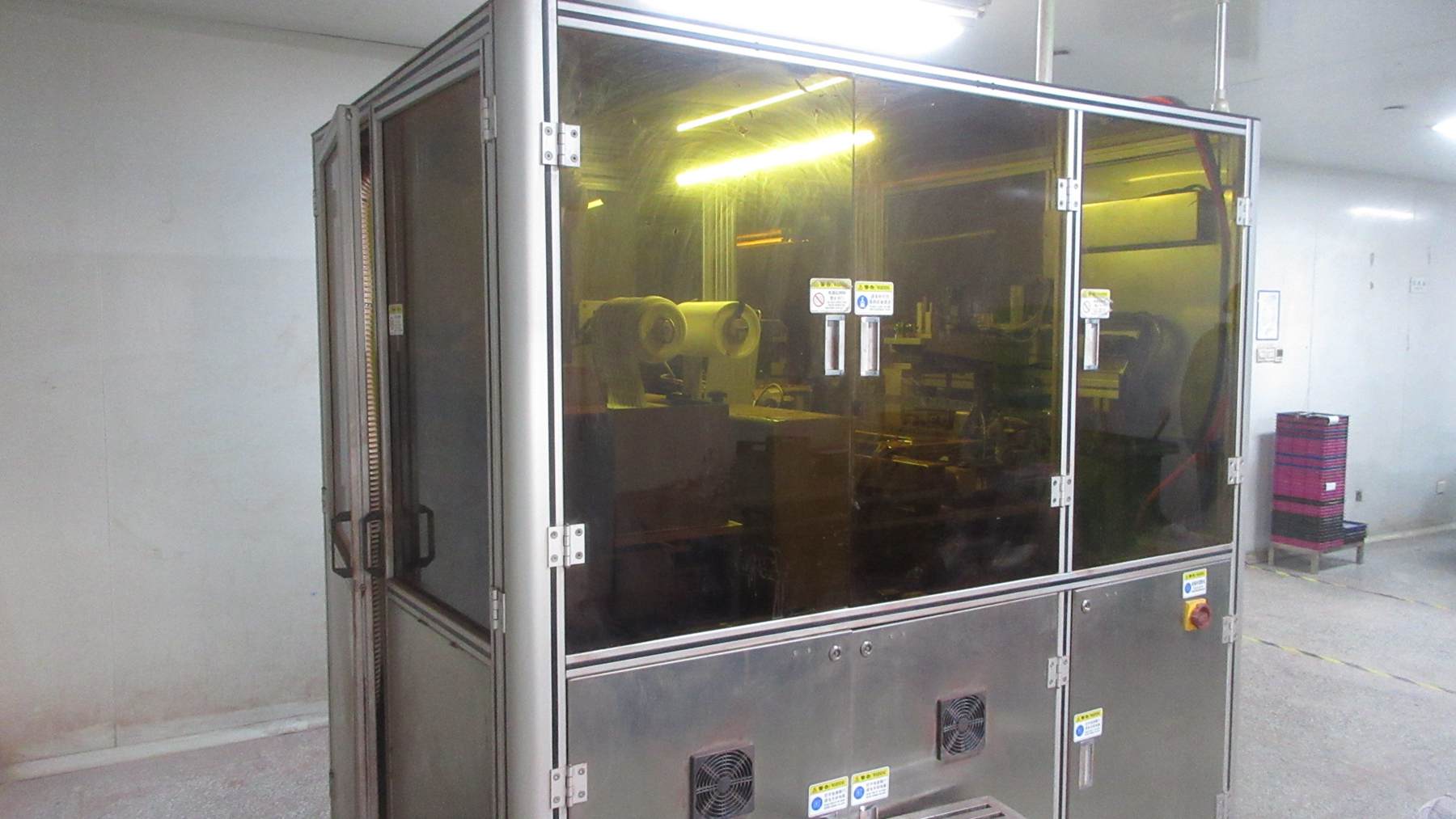
The creation of a highly pigmented, drop-test-resilient eyeshadow palette requires precise industrial steps. Below is a look inside our cleanroom-grade assembly facility, illustrating the progression from raw ingredients to globally-shippable retail units.
The Step-by-Step Production Sequence
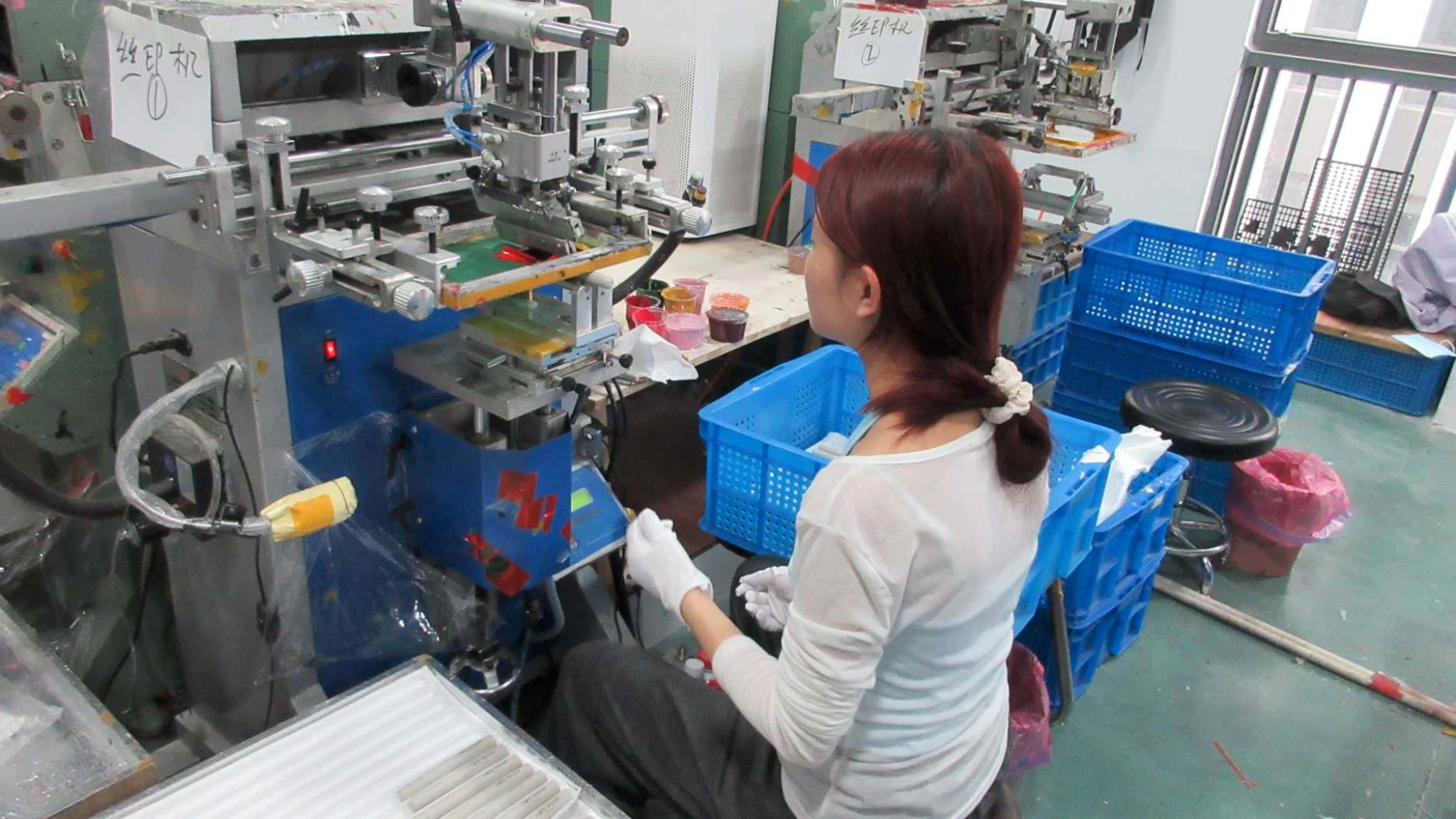
1. Printing
2. Storage
3. Mixing
4. Filling
5. Pressing
6. Inspection
7. Packing
8. Storage & Shipping
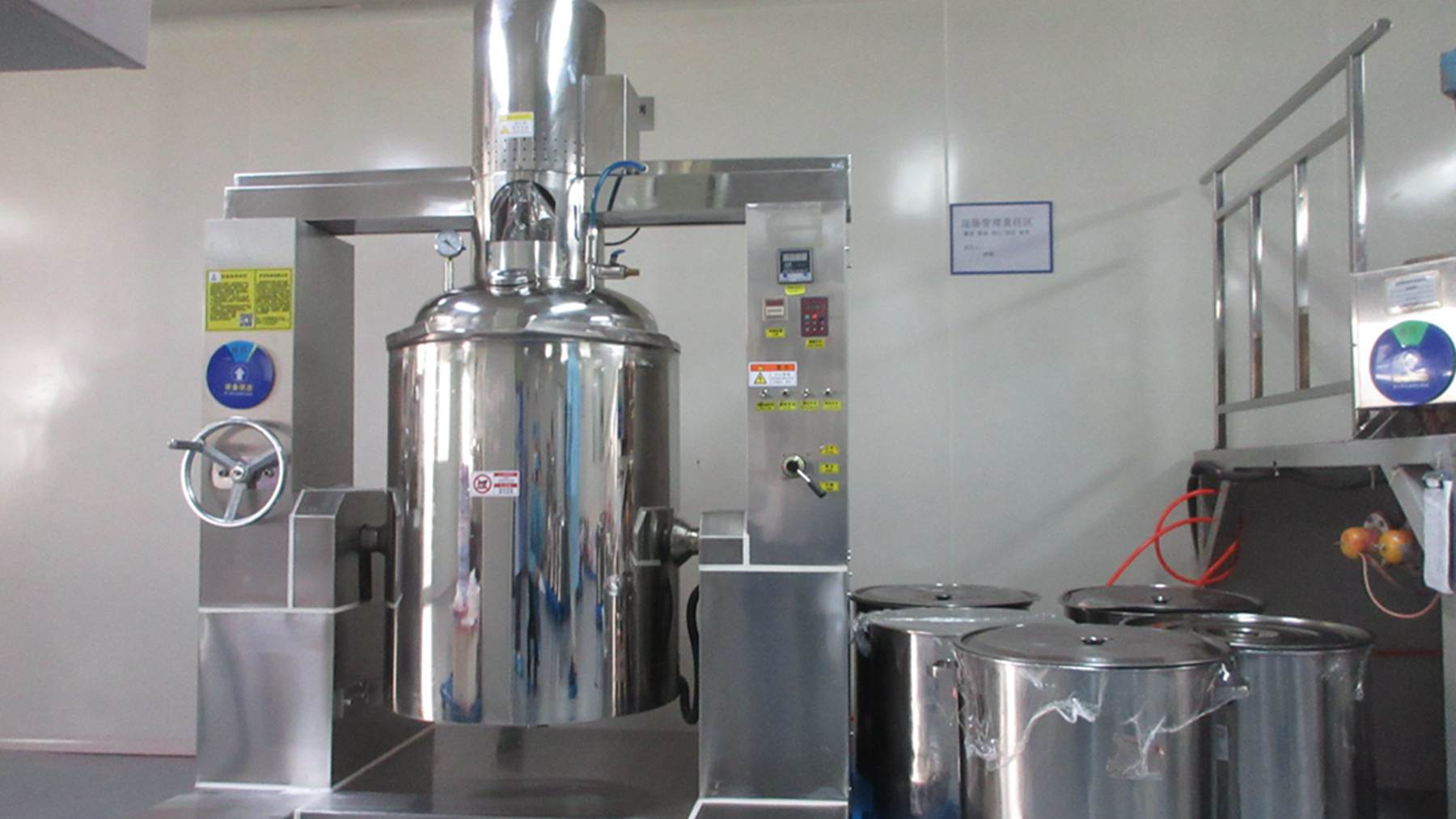
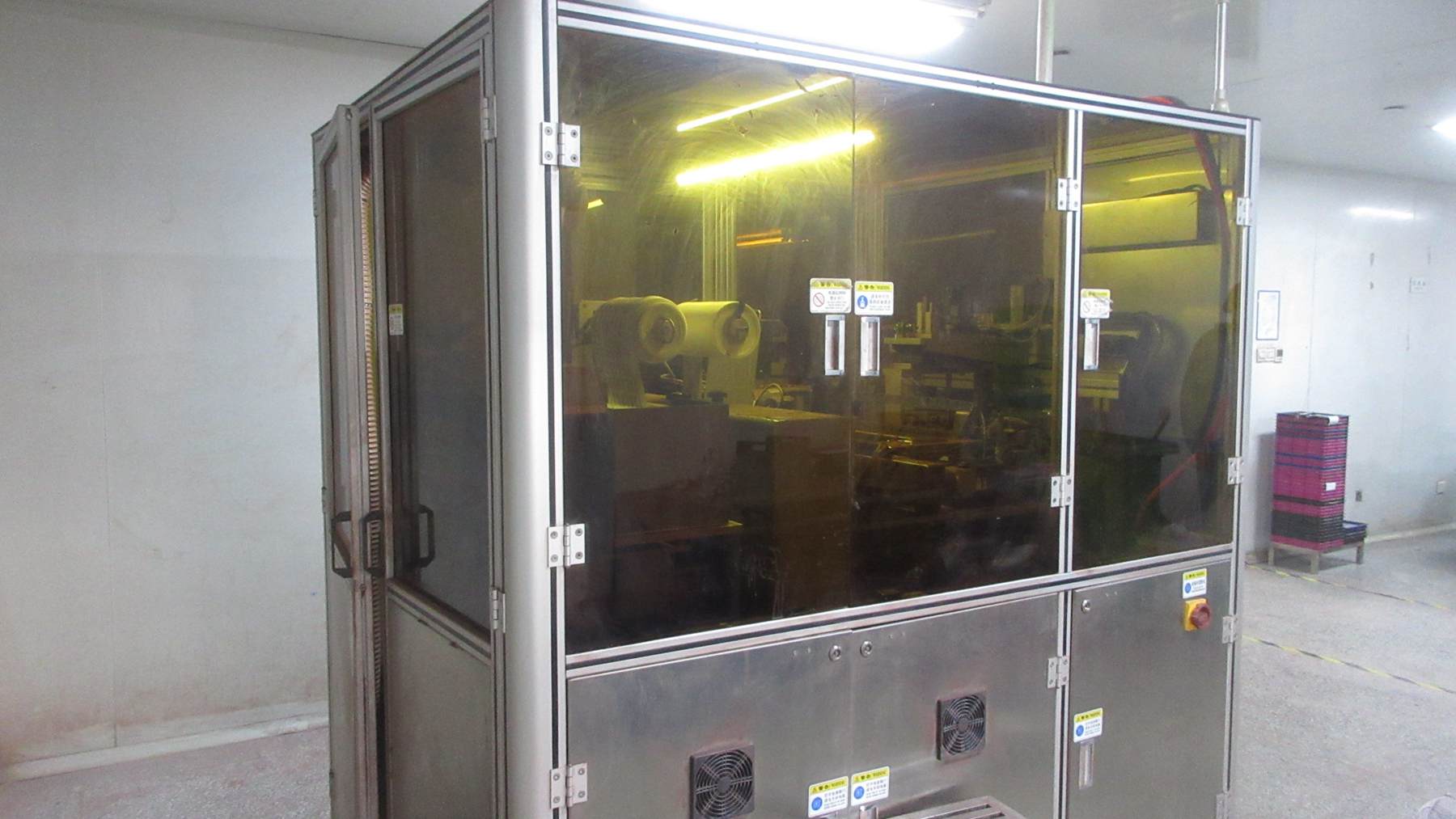
State-of-the-Art Formulation & Pressing Machinery
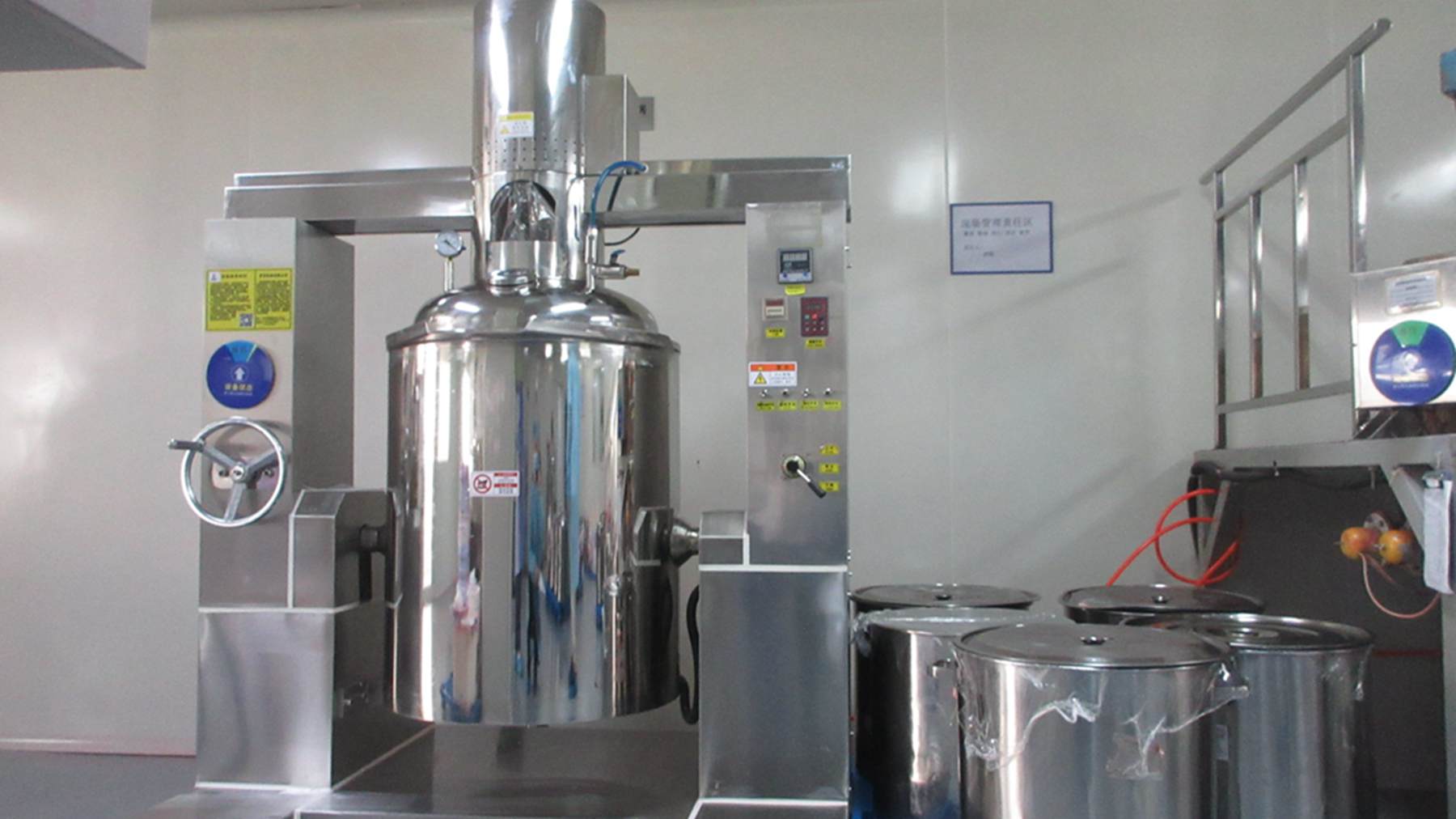
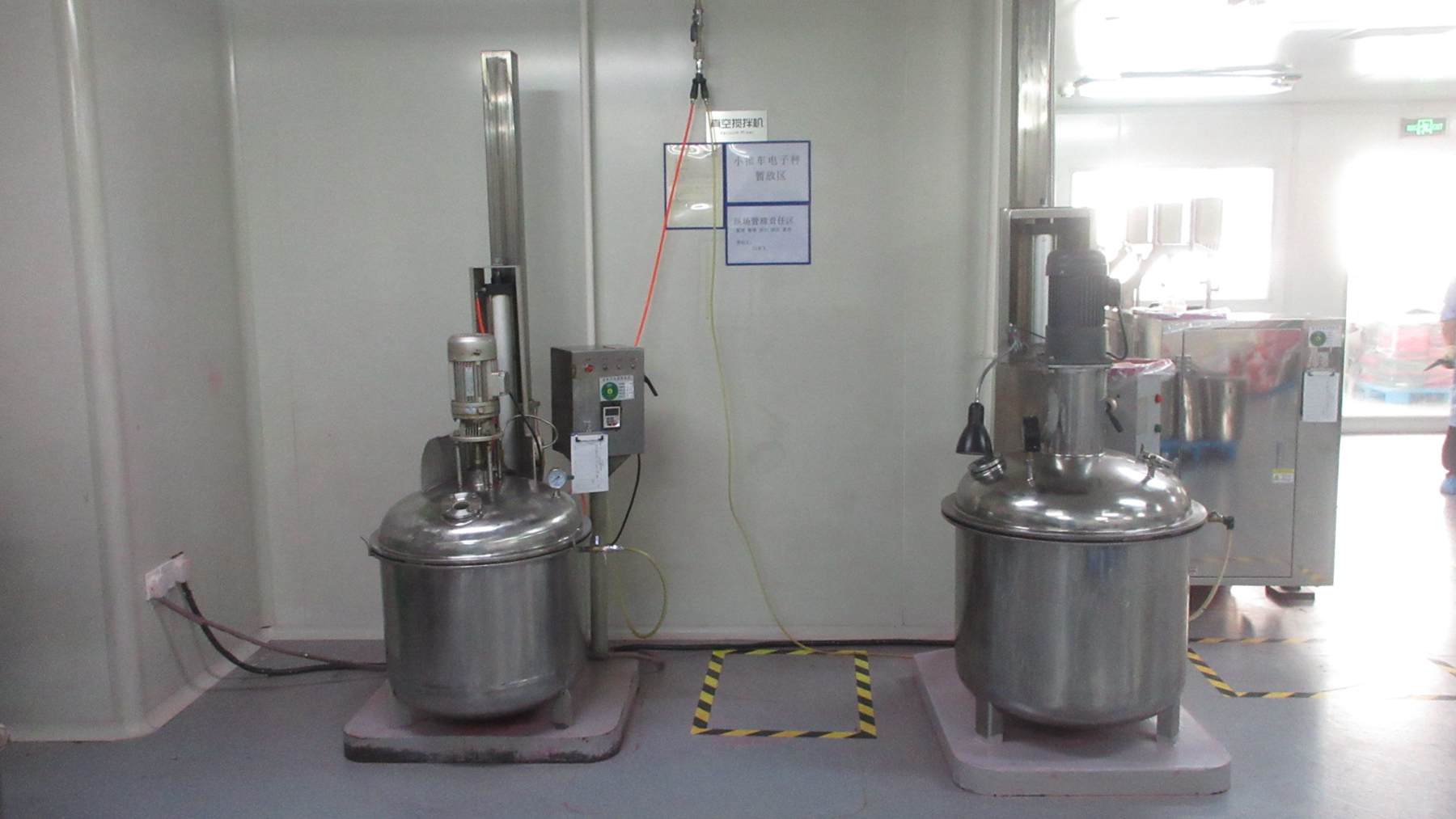
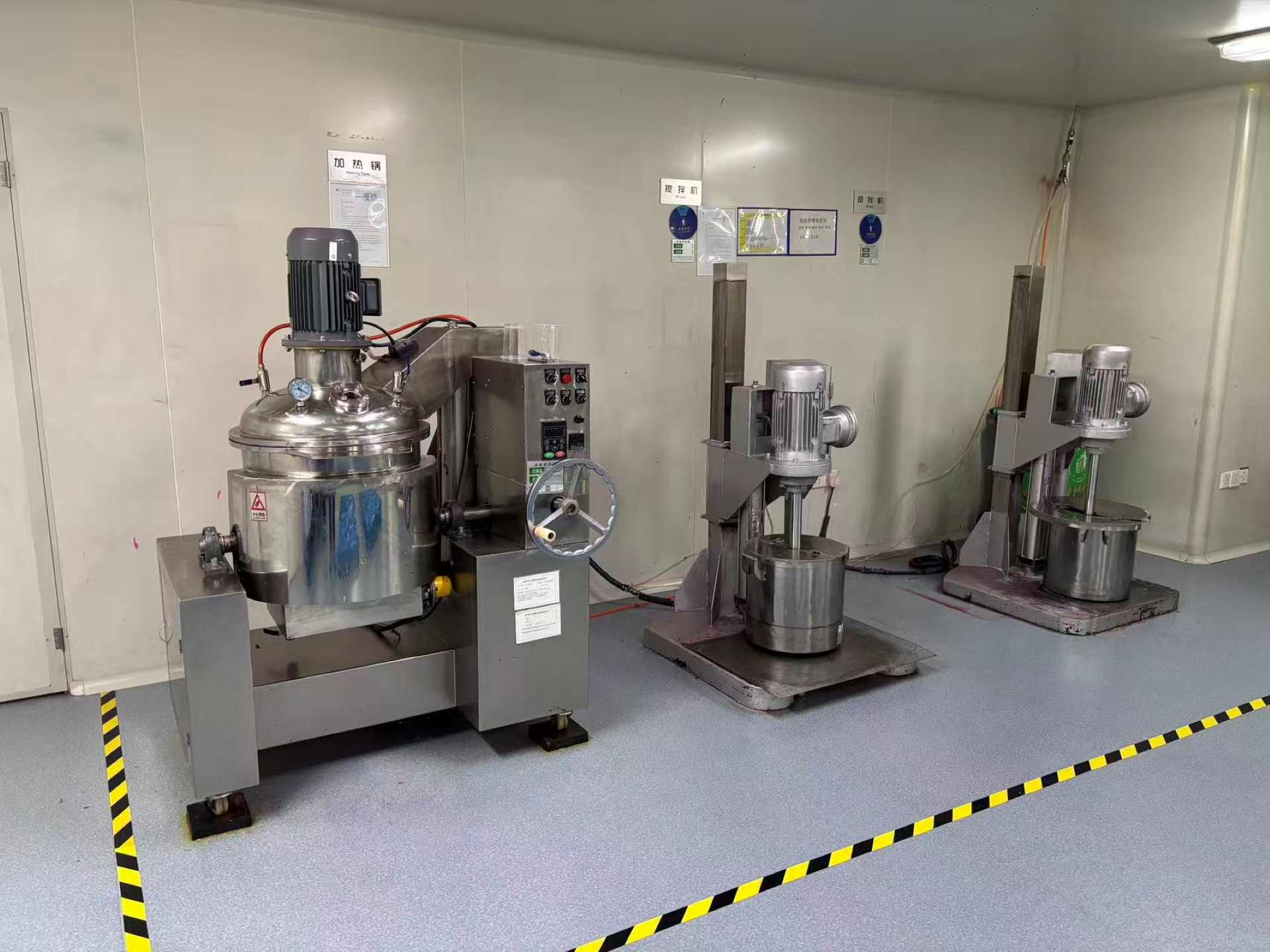
Consistent pan density, texture uniformity, and clean output are achieved through heavy investment in automated mixing and filling hardware. Our machinery lineup ensures pharmaceutical-grade precision:
Printing Machine
Heat Mixing Machine
Vacuum Mixing
Mixing Machine
Filling Line
Pressing Machine
5. Industry Trends: What Brands Need to Succeed in 2025/2026
Under Google's Search Quality Rater Guidelines, providing information gain means looking beyond standard advice to explain why certain formulations perform better in global markets. Brands seeking long-term consumer retention must adapt to the following seismic shifts:
Vegan & Clean Formulations
Replacing heavy synthetic binders and animal-derived carmine with plant-derived oils and natural mineral alternatives. Clean beauty is no longer a niche premium segment; it is a baseline retail requirement across EU and US markets.
Multichrome & Duo-Chrome Effects
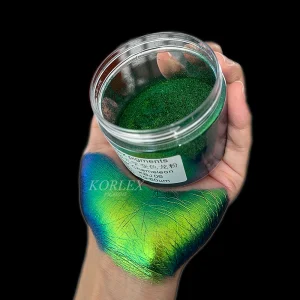
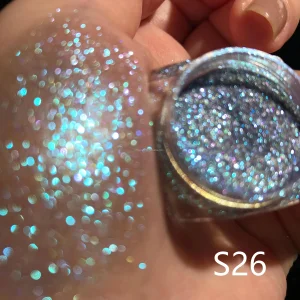
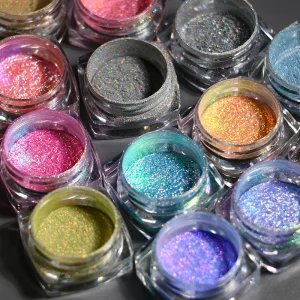
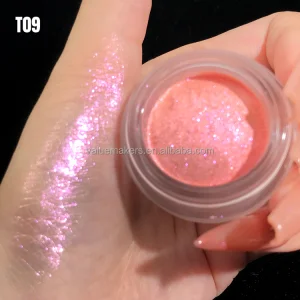
Utilizing multi-layered silica flakes that refract light in multiple directions, shifting colors depending on the light angle. Sourcing stable liquid diamond glitters and chameleon pigment dust requires specialized chemical mixing to avoid fallout.
Sustainable Magnetic Palettes
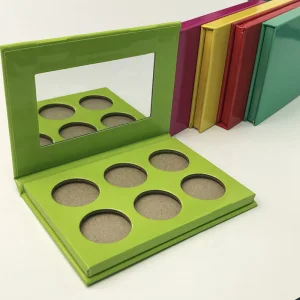
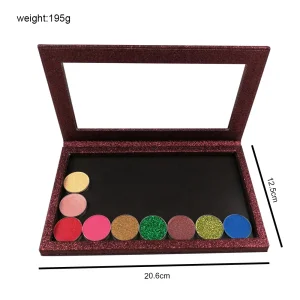
Plastic consumption reduction has accelerated the shift toward custom magnetic paperboard palettes. Recyclable, removable pans allow consumers to customize their layout, offering high ecological appeal and lower shipping weight.
6. Global Sourcing Dynamics: Localized Applications & Regulation
Sourcing cosmetic formulations internationally requires careful attention to regional regulations. Safe, legal compliance is crucial for brand longevity. A palette formulation that sells out in one country might face customs hold-ups or recalls in another if it is not custom-engineered for that region's legal framework.
North American Market (FDA & MoCRA Compliance)
Under the Modernization of Cosmetics Regulation Act (MoCRA), the FDA enforces strict facility registration, mandatory allergen reporting, and product listing requirements. Colors must be FDA-approved. Sourcing partners must guarantee heavy metal tests (arsenic, lead, mercury) are well below threshold levels.
European Union (Regulation EC 1223/2009)
The EU has some of the strictest chemical bans globally. Factories must provide a comprehensive Product Information File (PIF) and complete cosmetic safety reports (CPSR) signed by a certified toxicologist. Cruelty-free claims must be absolute, and microplastic glitters must be substituted with biodegradable alternatives.
Southeast Asia & The Middle East (Halal and High Heat)
In hot, humid climates, formulations must resist oil separation and dynamic texture shifts. Binders must have stable thixotropic behaviors. Additionally, securing Halal-certified raw material chains is key to capturing the highly lucrative Indonesian, Malaysian, and GCC cosmetic markets.
7. Macro Industry Solutions: From Formulation Design to Retail Shelf
Global beauty brands face distinct operational bottlenecks when bringing products to market. An experienced B2B exporter like Yiwu Nebula Beauty addresses these challenges with tailored industrial solutions:
Indie Brand Scale-Up
The Problem: Low initial capital, need for low MOQs, and lack of internal formulation engineers. The Solution: Leverage Yiwu Nebula's library of 3,000+ pre-developed designs and FDA/EU compliant stock formulations. Private-label customized logos can be pressed on pre-formulated pans, dropping product launch windows down to weeks instead of months.
Retailer Private Label Integration
The Problem: Mass-volume requirements, tight margins, and complex factory audit schedules. The Solution: Automated high-speed powder press lines and inline color filling lines ensure supply chain continuity. Factory audits are backed by established GMP and ISO 22716 standards, verifying clean manufacturing conditions and fair labor practices.
High-Concept Makeup Artistry Brands
The Problem: Demands for ultra-high pigment load, custom duo-chromatic shifts, and unique custom packaging geometries. The Solution: R&D labs coordinate directly with brand directors to customize oil-binder ratios. This prevents cracking in high-pigment loads and optimizes dry/wet multi-color gradient pressings.
8. Sourcing Checklist: How to Audit an Eyeshadow Palette Factory
Before signing an agreement with an exporter, sourcing directors should run through this industrial checklist to verify factory credentials and operational compatibility:
1. Quality Management Systems
Verify certifications like ISO 22716:2007 (Cosmetics Good Manufacturing Practices) and GMPC. Ask if they have internal heavy metal analysis instrumentation (e.g., ICP-MS) and micro-organism incubator rooms.
2. Formulation Capabilities
Confirm if their R&D team can formulate vegan, talc-free, and clean products. Check if they have stability testing chambers to test formulas under heat, freeze-thaw cycles, and sunlight exposure.
3. Physical Resilience Testing
Ensure the factory performs standardized drop tests (typically falling from a height of 1 meter onto a hard surface multiple times) to verify powder pressing integrity before shipment. This prevents cracked powder claims from customers.
9. Deep-Dive Q&A for Cosmetics Purchasing Managers
What is the typical Minimum Order Quantity (MOQ) for custom eyeshadow palettes?
For custom packaging and custom-pressed formulations, MOQs typically range from 3,000 to 12,000 units. This is dictated by the minimum setup runs of industrial printing presses and automated powder filling lines. However, for stock formulas in existing packaging, brands can start with smaller quantities.
How do you prevent eyeshadow powders from cracking during international transit?
Cracking is prevented by maintaining a precise ratio of liquid binders to dry powder pigments during mixing. Powder is pressed at controlled hydraulic pressures. We run standard industrial drop tests on completed palettes and use specialized protective packaging inserts to absorb transit shocks.
Can the eyeshadow formulations be customized to meet European "Clean Beauty" standards?
Yes. Our R&D team can exclude controversial ingredients like talc, parabens, phthalates, and microplastics. We substitute them with safe minerals and plant-based alternatives that meet EU Regulation EC 1223/2009 and clean-beauty retailer checklists.
What is the average lead time for production and delivery?
Sampling takes 7 to 10 days depending on formulation complexity. Once formulations and packaging are approved, mass production typically takes 25 to 35 days. Sea shipping takes an additional 15 to 35 days depending on the destination port.
Do you provide custom secondary packaging printing (e.g. foil stamping, UV printing)?
Yes. Our printing facilities handle CMYK offset printing, hot foil stamping (gold, silver, rose gold), spot UV gloss, matte lamination, and custom embossing on cardboards or tins. This ensures your products stand out on retail shelves.
 Nebula Beauty