The global skincare sector is experiencing a paradigm shift. Once avoided under the misconception that lipids clog pores, facial oils have emerged as premium, multi-functional staples in clinical, clean, and prestige beauty lines. According to recent market analysis, the global face oil market is projected to reach unprecedented valuations by 2030, driven by the clean beauty movement, waterless formulation demands, and the rise of skin barrier repair therapies.
Consumers now demand specialized, biocompatible lipid matrices that mimic the skin’s natural sebum layer. Modern formulations are expected to perform double duty: serving as barrier-restorative protectants while simultaneously acting as high-performance delivery systems for oil-soluble active ingredients such as Tetrahexyldecyl Ascorbate (Vitamin C), Retinol, Bakuchiol, and lipid-soluble ceramides. The global sourcing landscape has subsequently shifted toward suppliers capable of handling high-purity botanical oils (like squalane, marula, jojoba, and rosehip) without compromising stability or ecological balance.
For procurement officers, brand managers, and R&D scientists at international beauty conglomerates, sourcing high-quality cosmetic oil requires a rigorous evaluation process that transcends mere price per kilogram. Sourcing teams prioritize five major technical indicators:
China's beauty manufacturing sector has transitioned from a high-volume assembly model into a highly automated, research-driven ecosystem. This transformation is driven by Factory 4.0 paradigms that integrate advanced technologies to support the global beauty market.
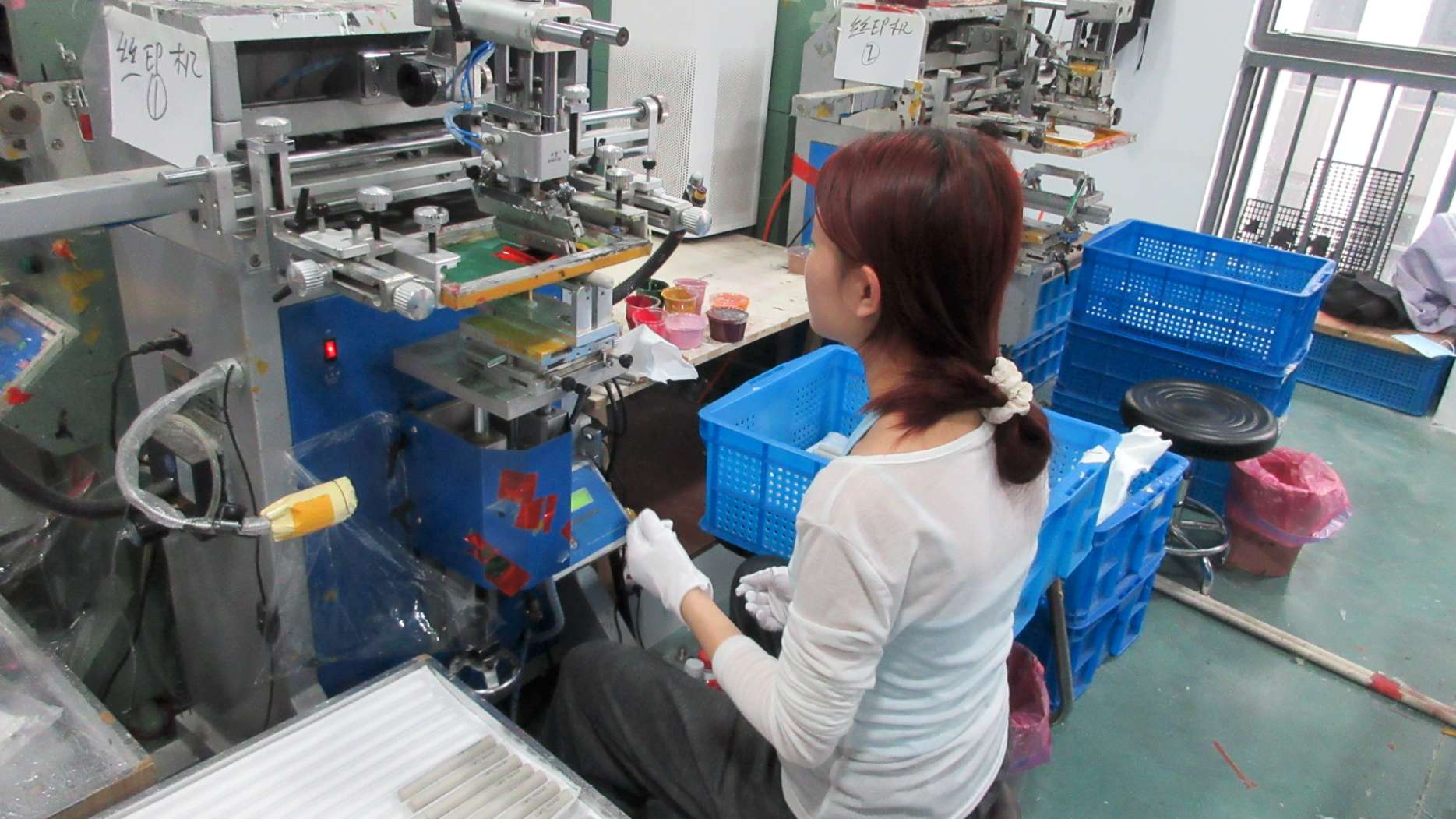
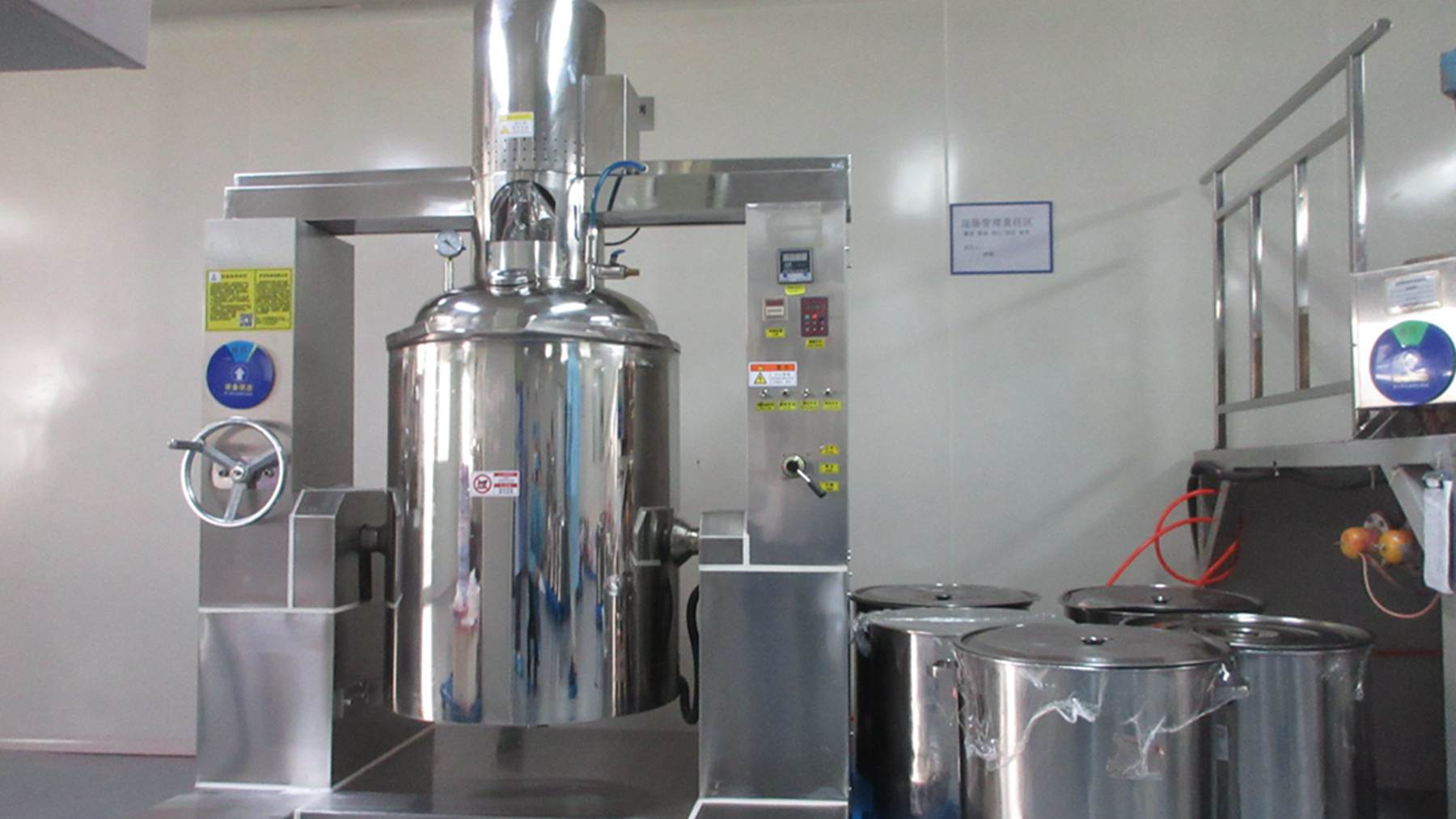
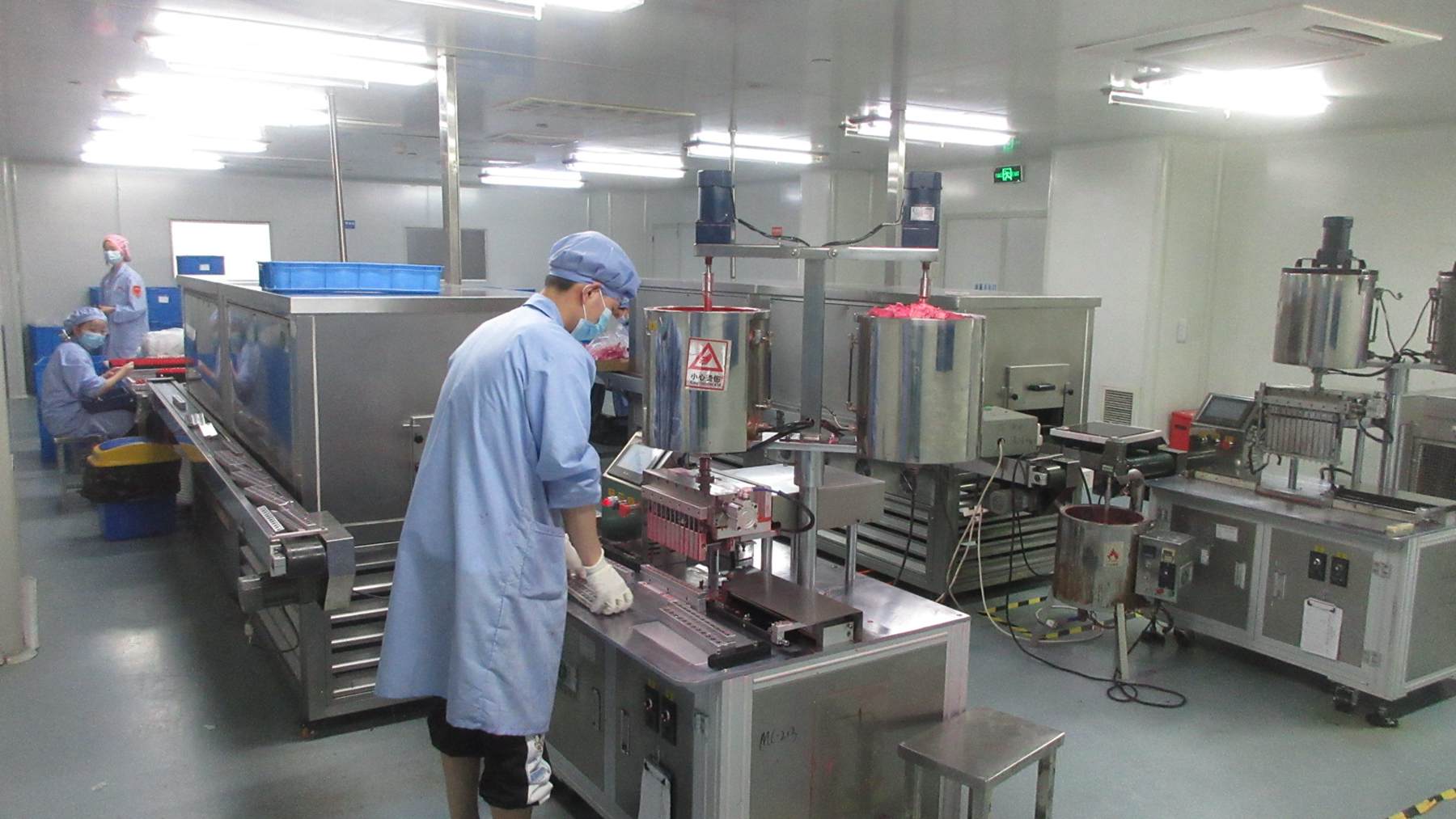
Modern Chinese exporters offer unprecedented advantages in supply chain resilience. Through localized ingredient sourcing networks and high-throughput automated factories, they protect global brands from raw material shortages and volatile lead times. Chinese smart factories utilize automated high-vacuum emulsification reactors, intelligent high-speed filling lines, and real-time gas chromatography testing to ensure chemical stability across production runs.
By using smart ERP systems, Chinese cosmetic manufacturers optimize production, reduce waste, and pass these savings directly to clients through competitive pricing, lower Minimum Order Quantities (MOQs), and rapid product development cycles. This allows indie beauty brands and multinational firms to design, test, and ship custom formulations in a fraction of the traditional lead time.
Yiwu Nebula Beauty Co., Ltd. is a professional manufacturer and export-oriented supplier specializing in beauty, cosmetics, and personal care products. The company integrates product development, production, quality control, and global trade services, providing comprehensive OEM/ODM solutions for international clients.
We provide free or low-cost samples for selected products, helping clients evaluate quality, packaging, and formulation before placing bulk orders.
With more than 3000+ ready-to-market designs, we offer a wide selection of styles, packaging solutions, and product concepts to accelerate brand development.
Our sales and support team ensures quick responses to inquiries, typically within 12 hours, enabling smooth communication across time zones.
We offer full customization services, including formulation development, private label manufacturing, packaging design, logo branding, and customized texture options.
Every production stage is closely monitored by an experienced quality control team with more than 10 years of industry expertise, ensuring compliance with international quality standards.
Our products are exported to multiple regions worldwide, including Europe, North America, the Middle East, and Southeast Asia. We understand international trade requirements.
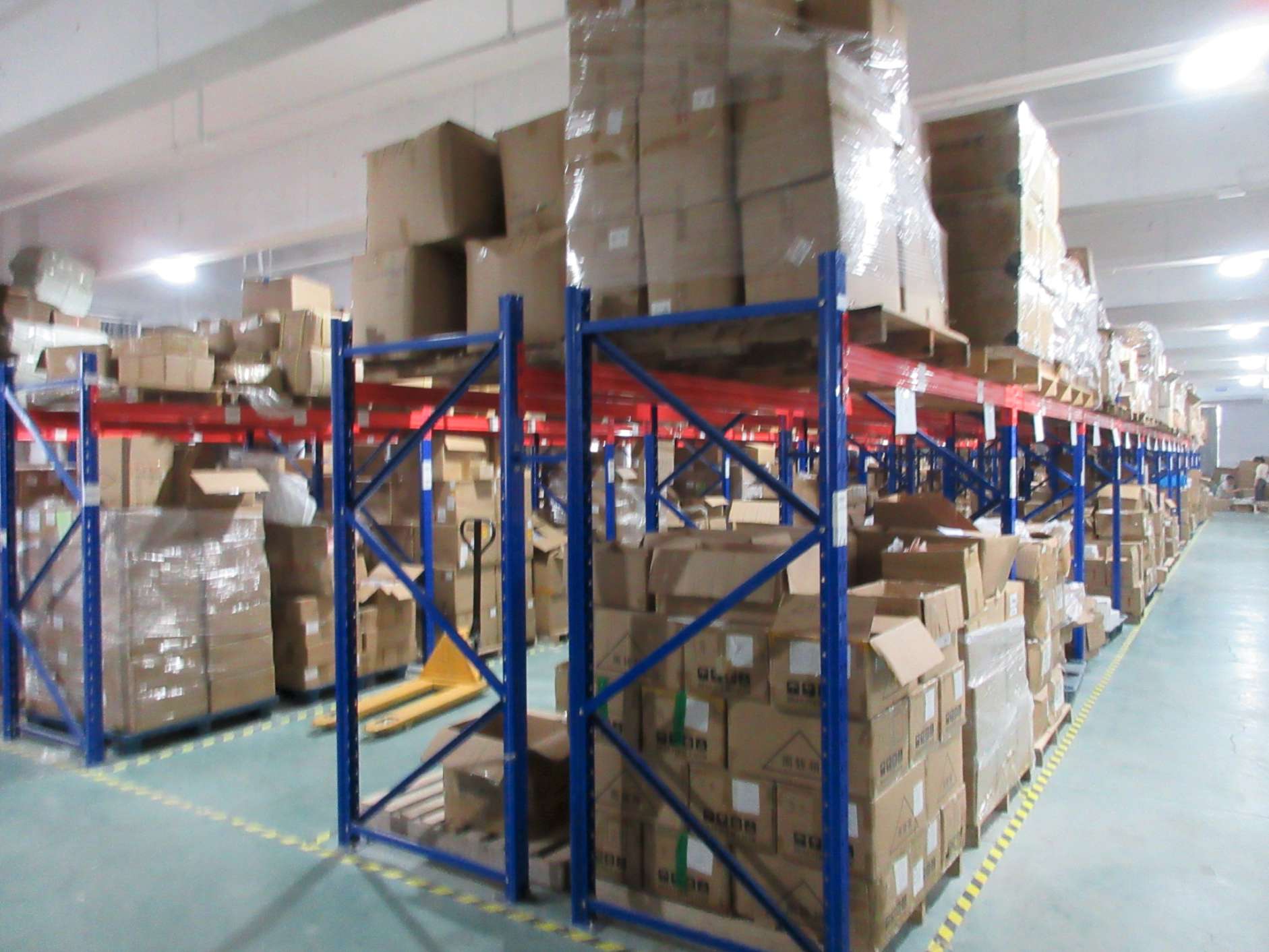
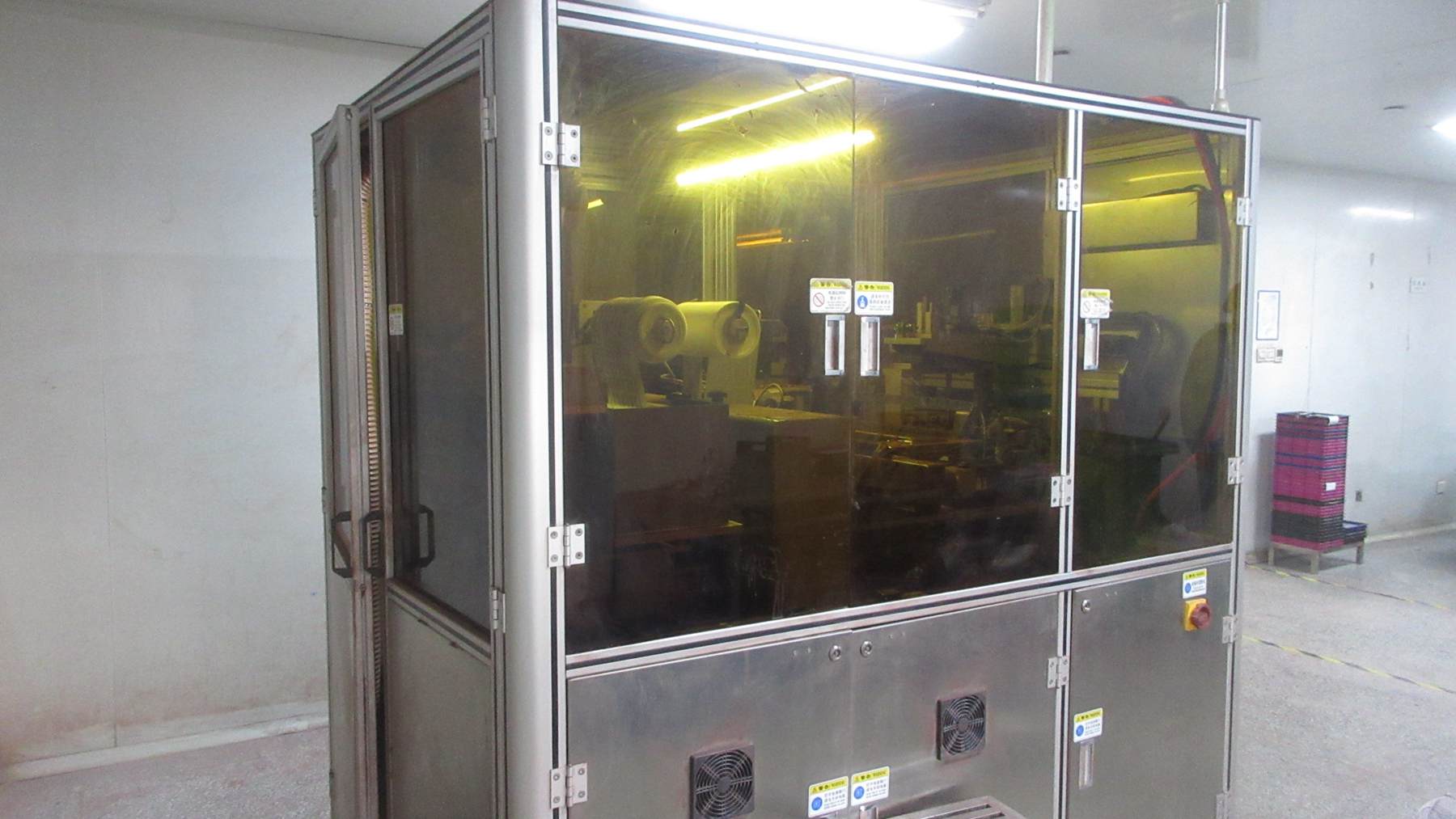
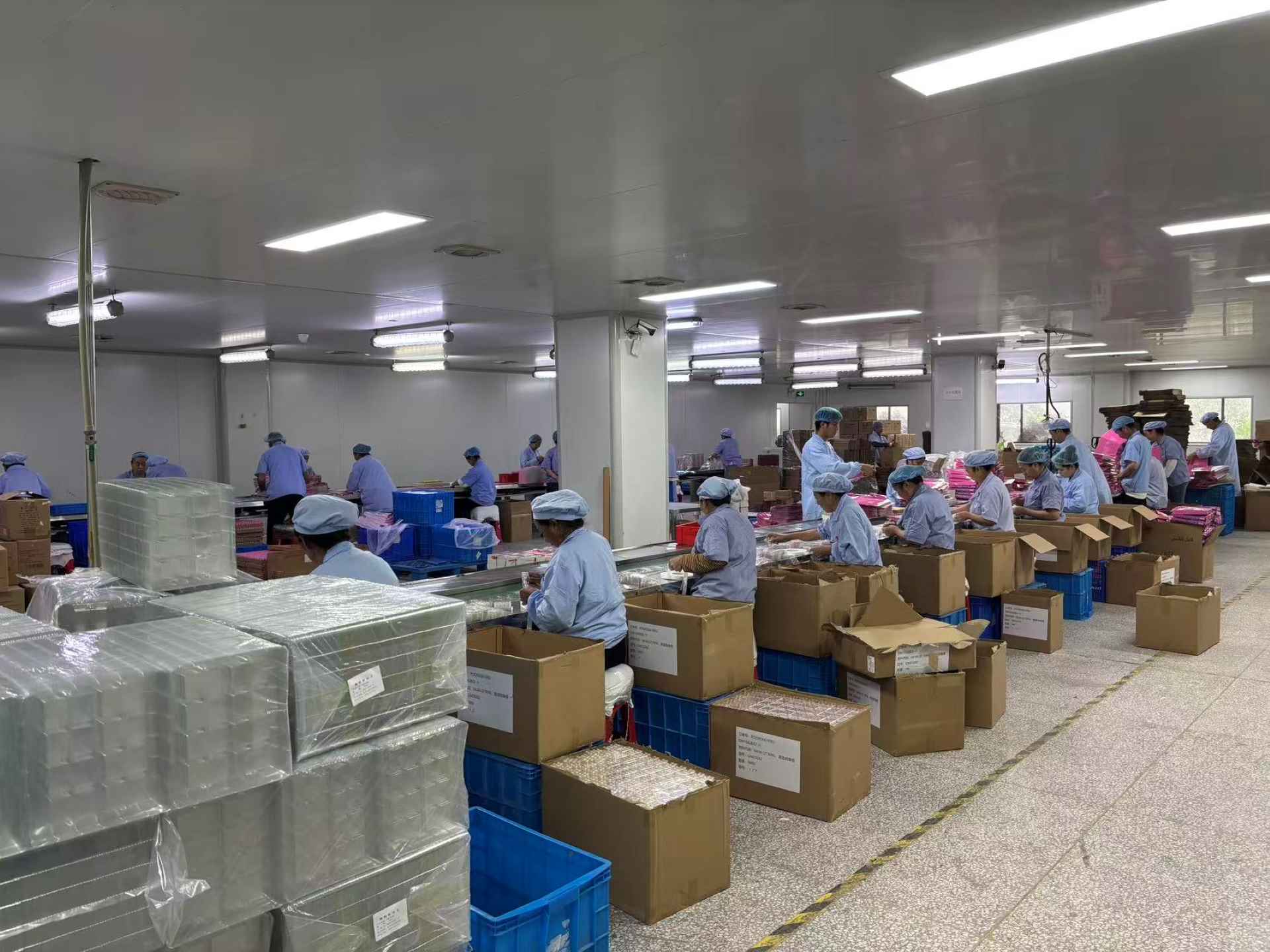
Explore our state-of-the-art facilities. Our plant integrates advanced technology to support high-throughput, sanitary, and precise cosmetics production.

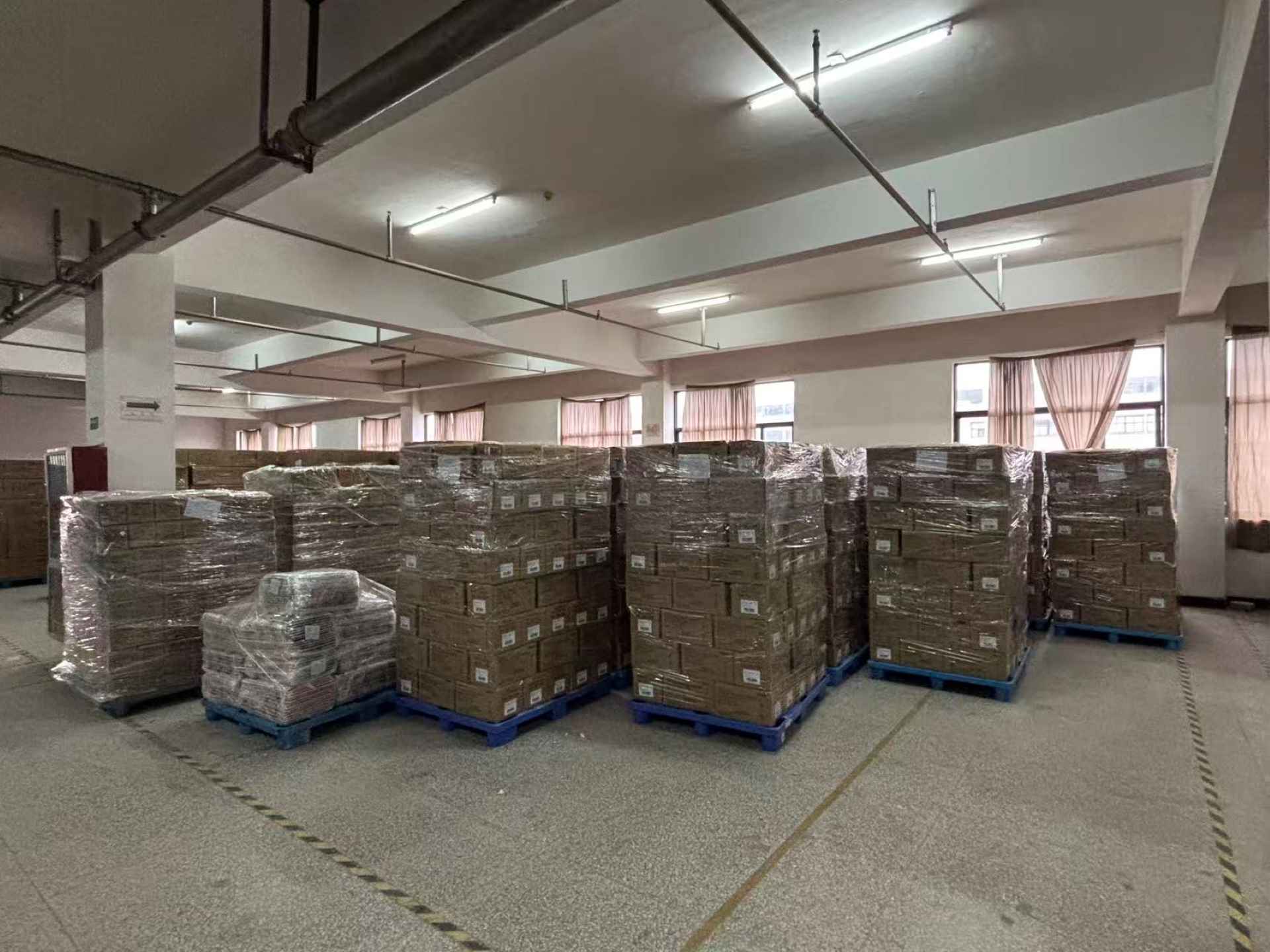
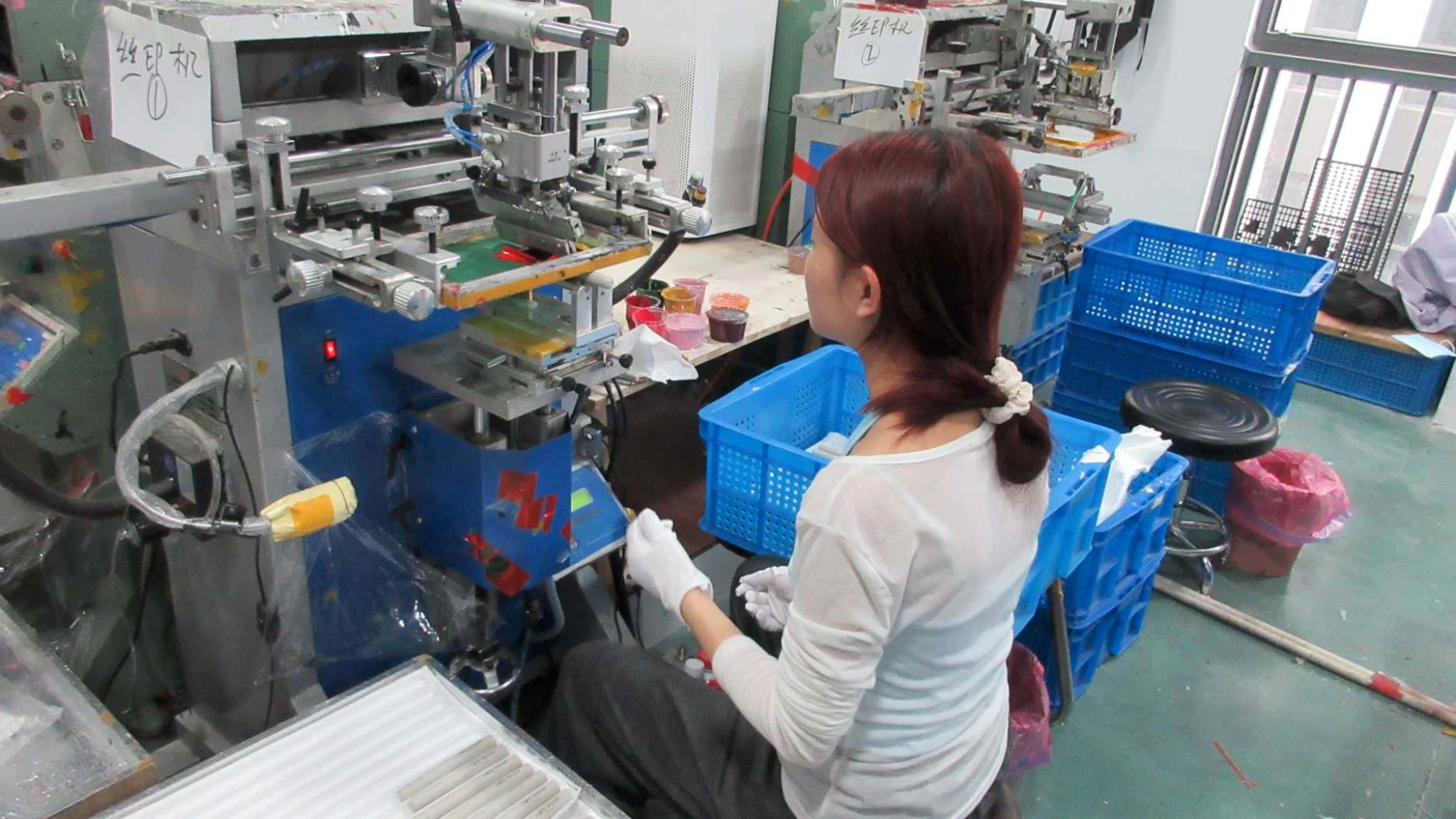
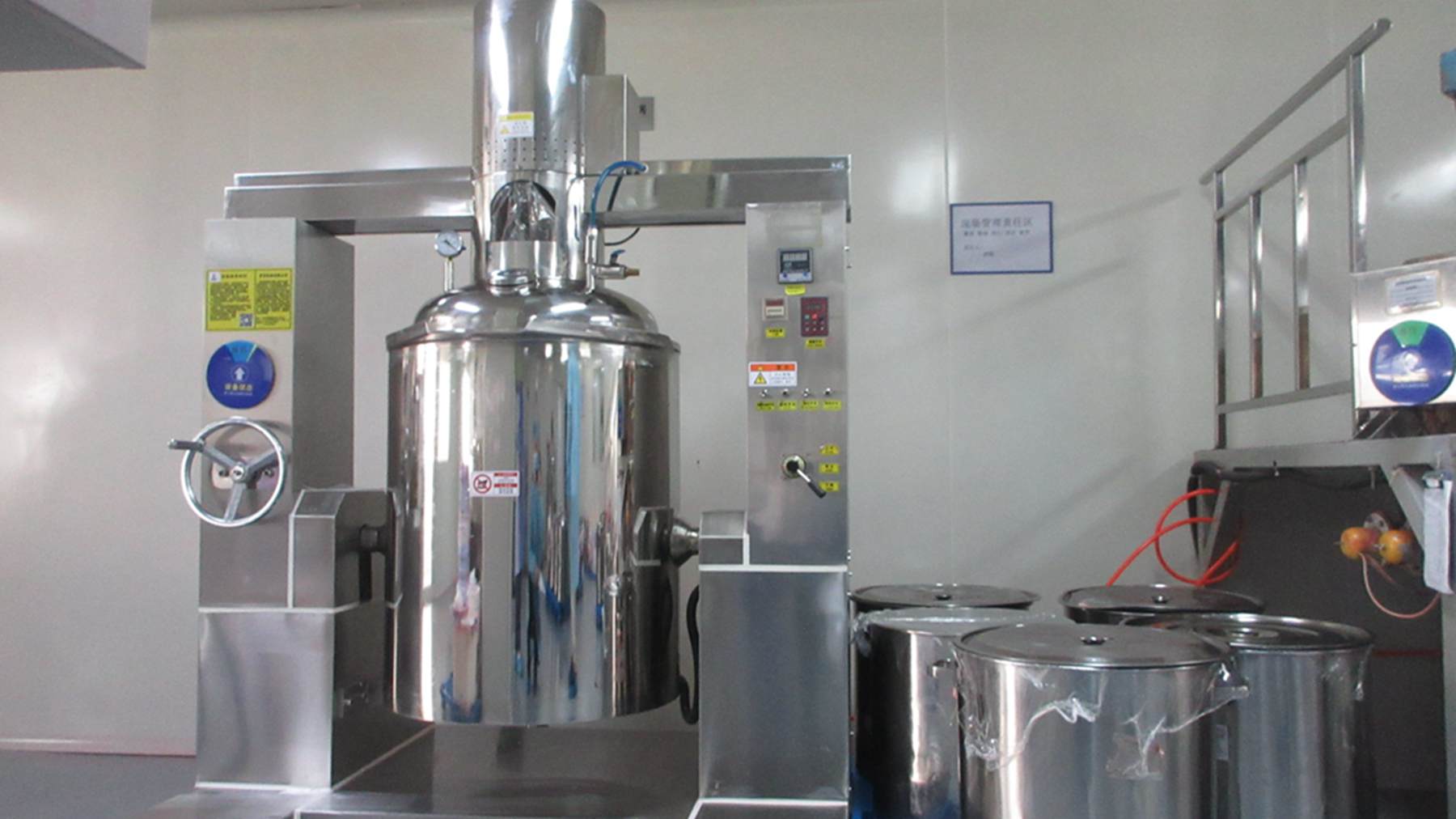
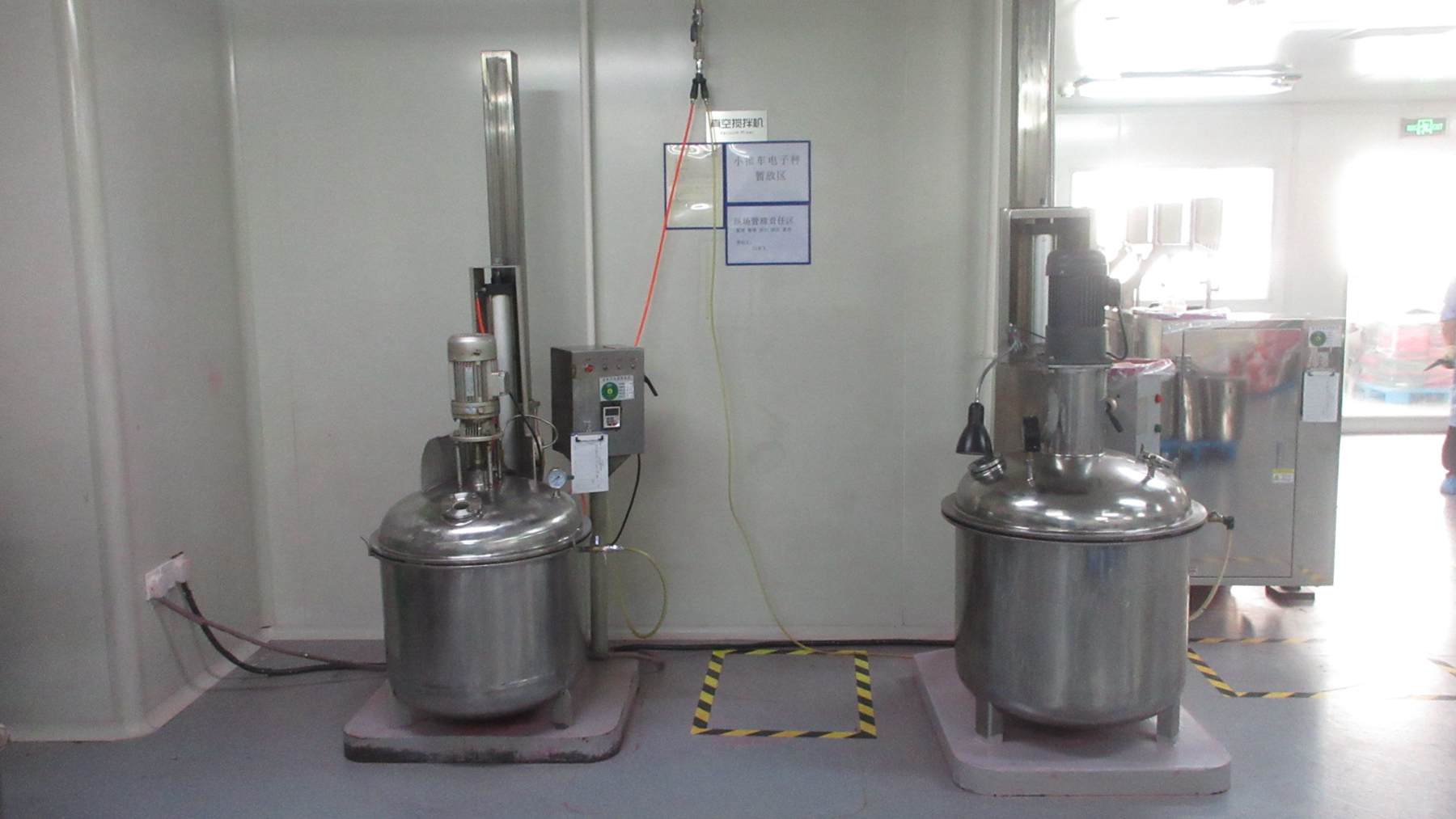
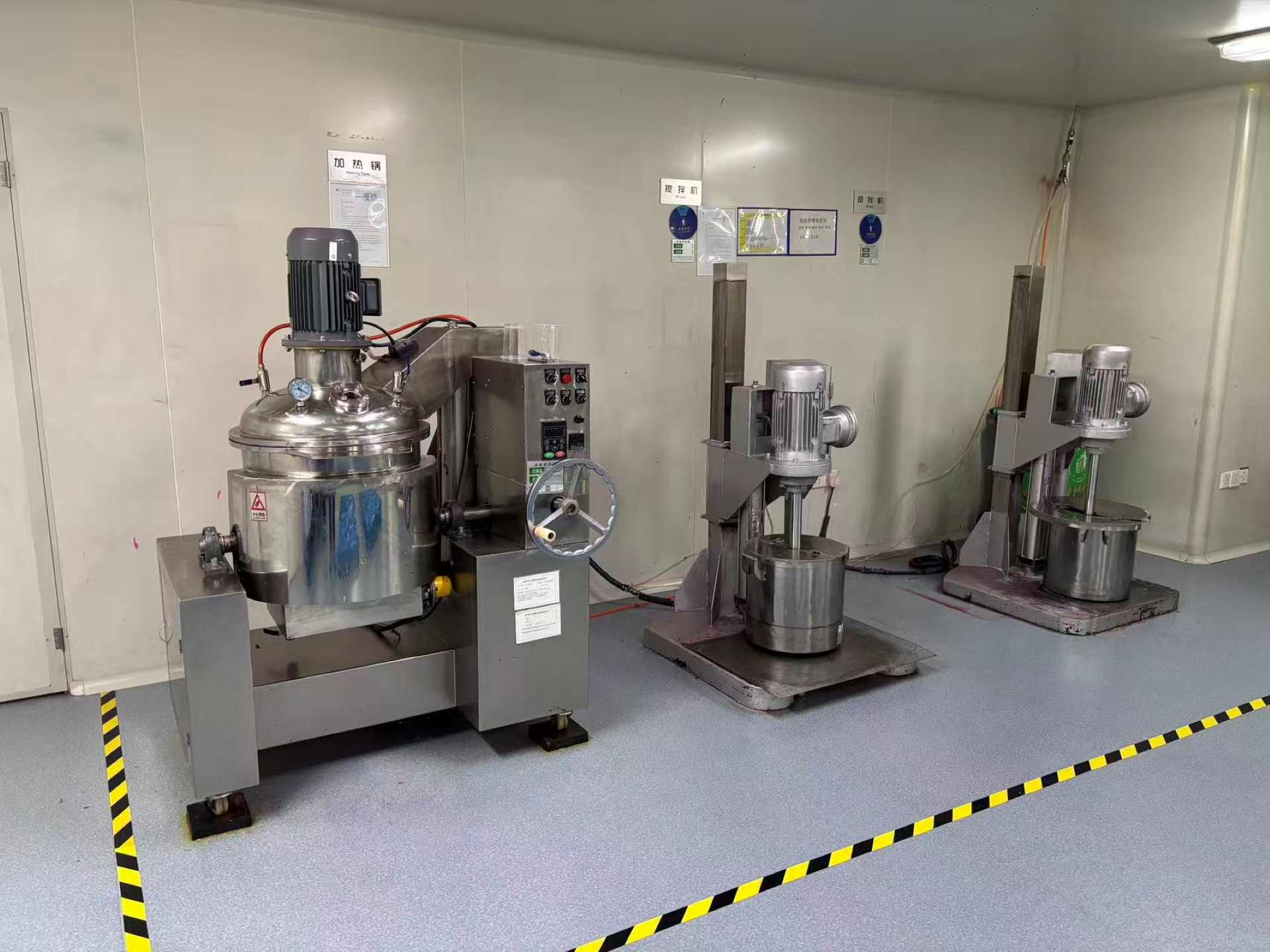
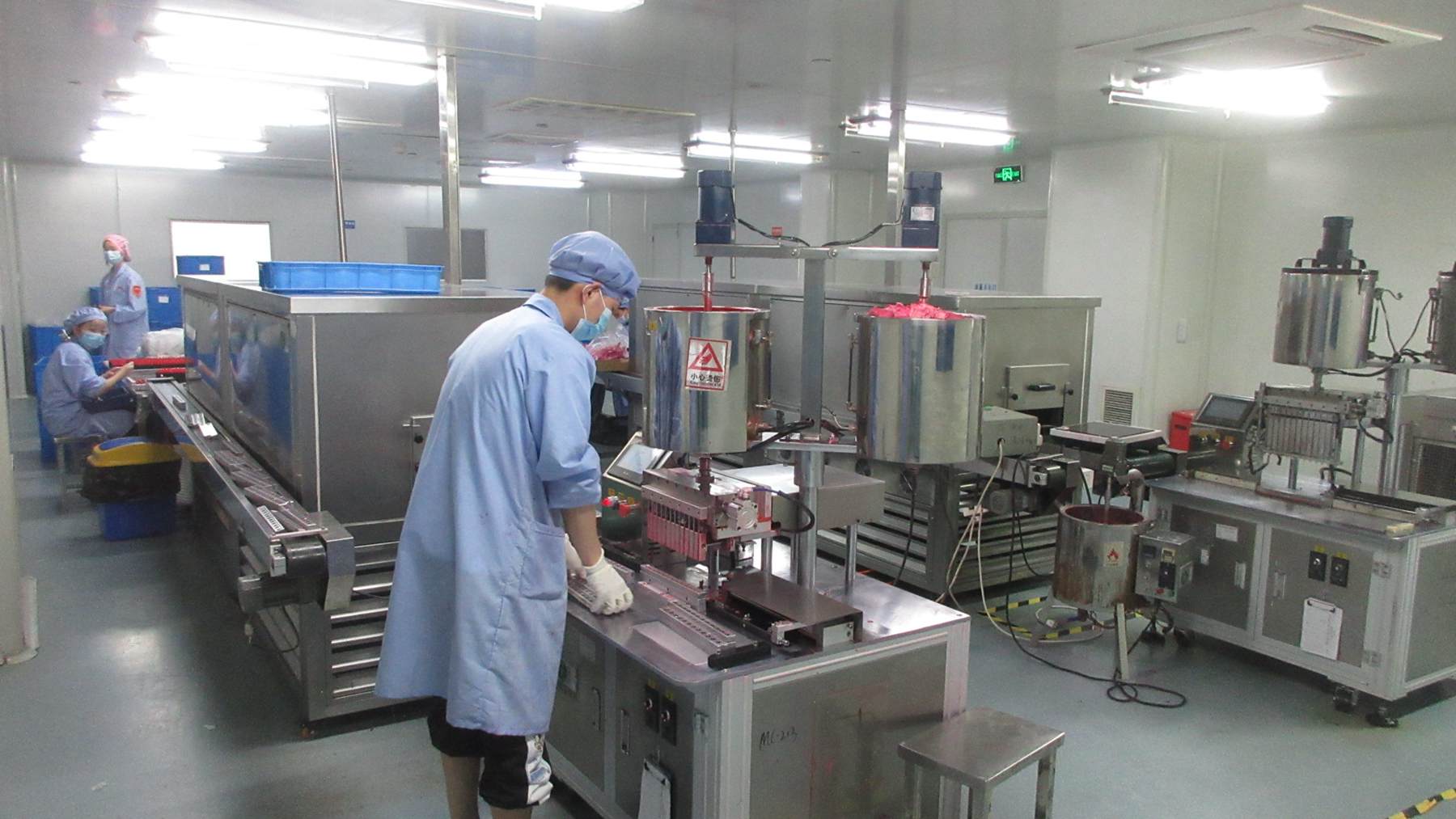
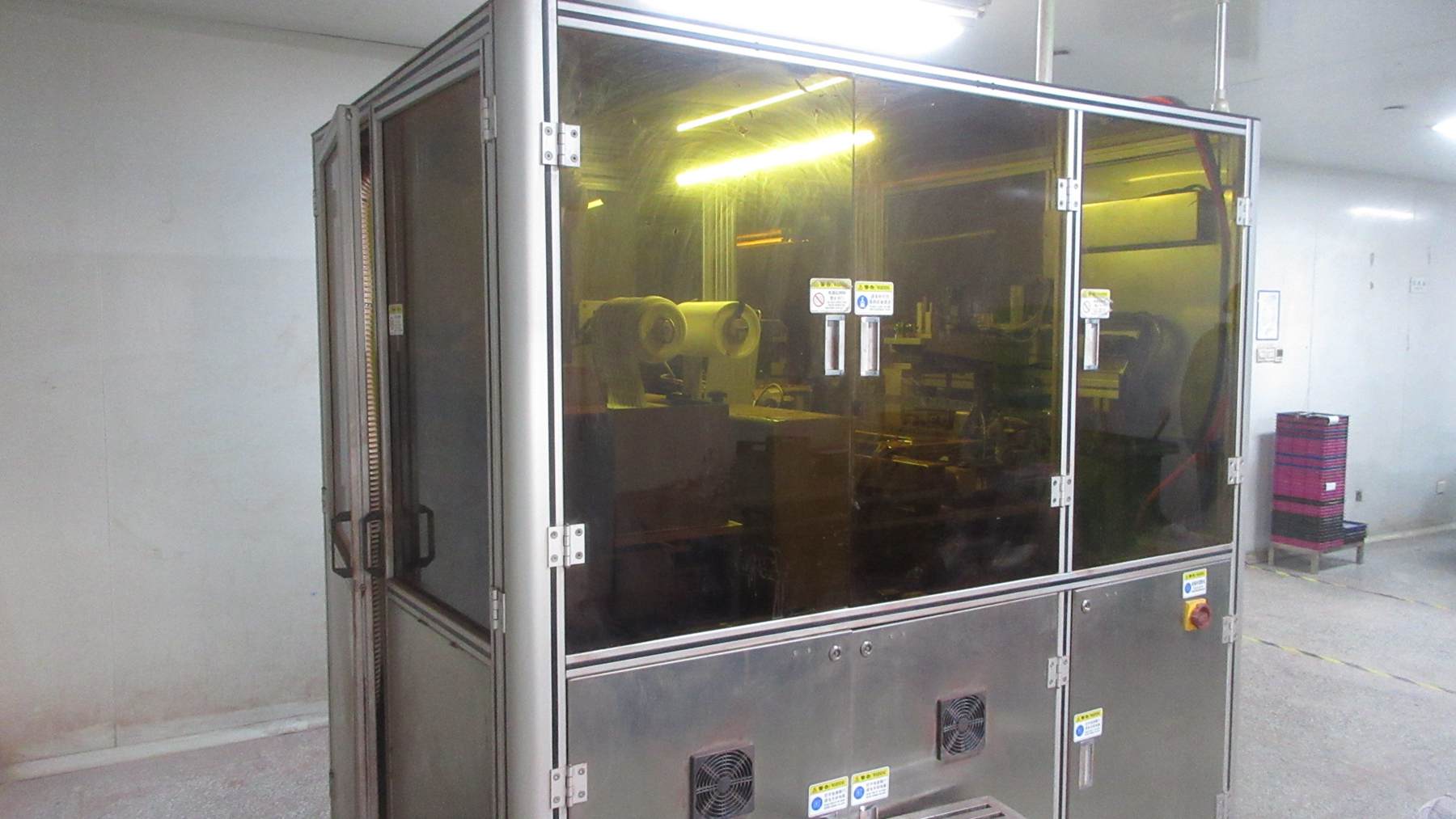
Target markets dictate formulation adaptations. As a veteran OEM/ODM partner, Nebula Beauty works with clients to customize formulations for distinct regional demands:
Consumers in these regions show a strong preference for high-potency clean skincare. Products focus heavily on non-comedogenic squalane, cold-pressed fruit seed oils, and minimalist formulas. Sourcing demands focus on glass packaging, post-consumer recycled (PCR) paper cartons, and zero synthetic fragrances.
These markets demand deep barrier protection and thermal stability. Due to air-conditioned interiors and arid exterior climates, formulations require rich occlusive barriers like organic argan, jojoba, and prickly pear oils, paired with luxurious, premium packaging and gold foil accents.
Consumers here prioritize lightweight absorption and skin-brightening properties. Heavy lipids are replaced by dry oils that absorb quickly without leaving a greasy residue. Formulas are often infused with oil-soluble Vitamin C derivatives, Licorice Root Extract, and Bisabolol to target hyperpigmentation and redness.
This niche demands highly therapeutic massage mediums. Formulations must offer prolonged glide times and include skin-soothing botanical extracts (such as Calendula, Chamomile, and Arnica) to assist recovery after non-invasive aesthetic procedures.
 Nebula Beauty