Nebula Beauty
Part 1: The Commercial Landscape of Global BB Cream
Understanding the multi-billion dollar skin hybrid cosmetics market and the rising demand for active-infused formulations.
The global beauty ecosystem is experiencing an unprecedented structural transition. The line between intensive skincare and immediate-coverage cosmetics is effectively dissolving. At the vanguard of this evolution is the BB Cream (Blemish Balm)—a product category originally developed as a post-procedure healing balm in Germany and subsequently refined into a consumer sensation in East Asia. Today, the global BB cream market is projected to expand dynamically, driven by consumer preferences shifting towards minimalism, skin barrier care, and multifunctional convenience.
Modern consumers demand comprehensive product performance. A modern BB cream is no longer judged solely by its color-matching properties; it must perform as a broad-spectrum SPF sunscreen, an anti-aging serum, a moisture locking system (utilizing advanced sodium hyaluronate cross-polymers), and a light-diffusing foundation. This complex chemical architecture makes sourcing BB cream one of the most technically demanding challenges for brand owners. Securing a reliable manufacturing partner capable of processing high-performance active ingredients, micro-pigment dispersions, and mineral UV filters without stability failures is critical for commercial success.
The Global E-E-A-T Sourcing Metric
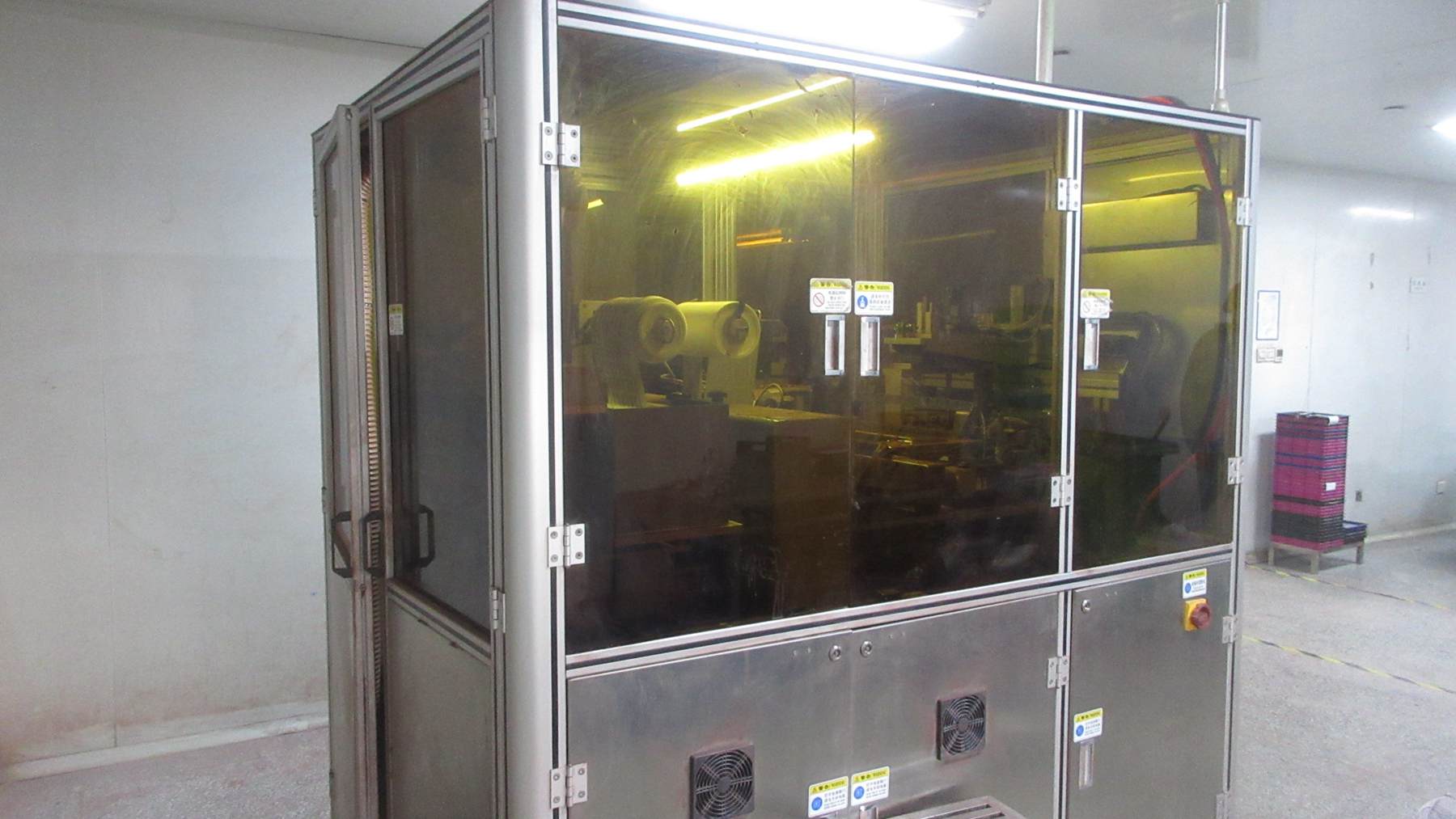
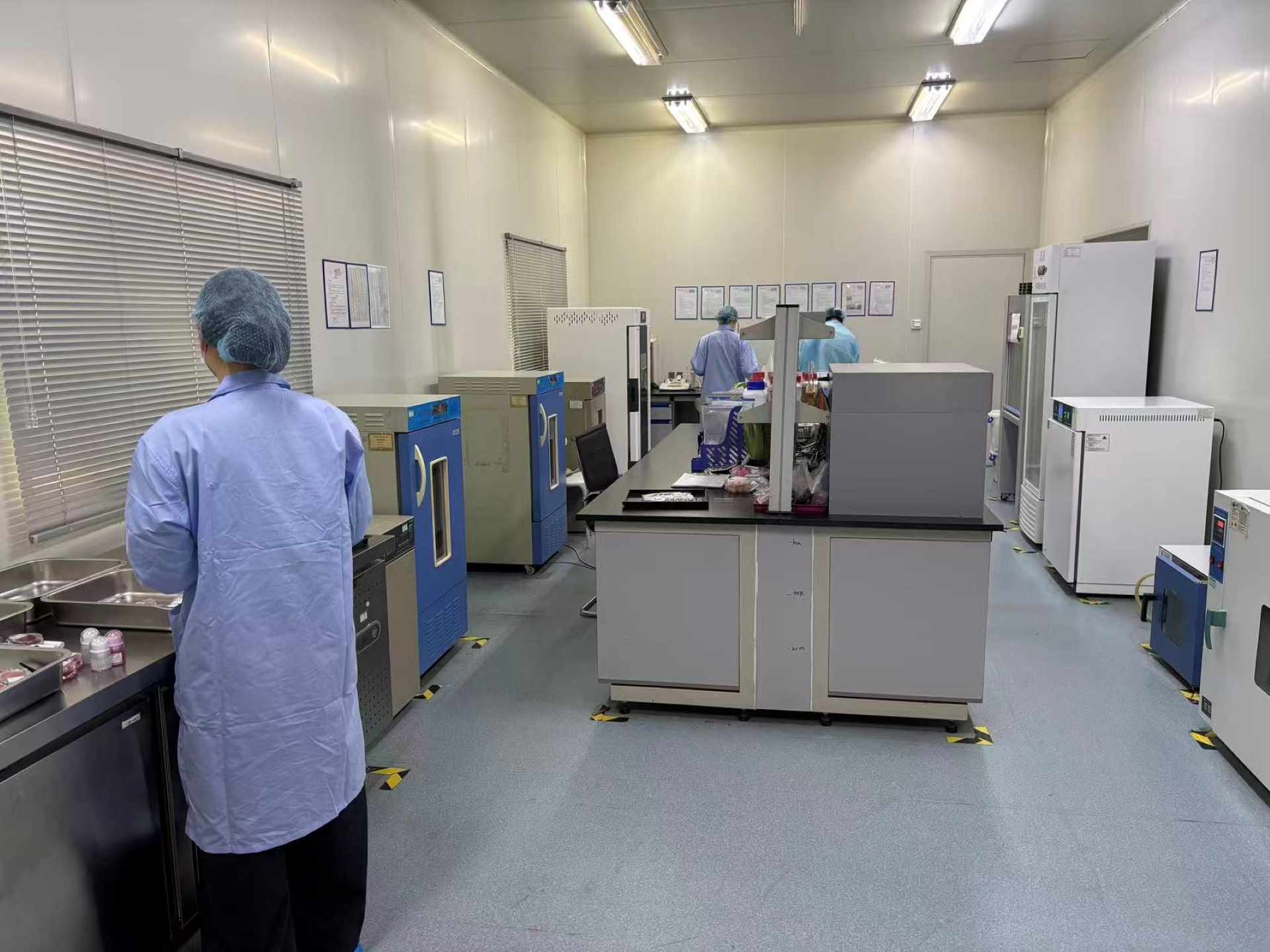
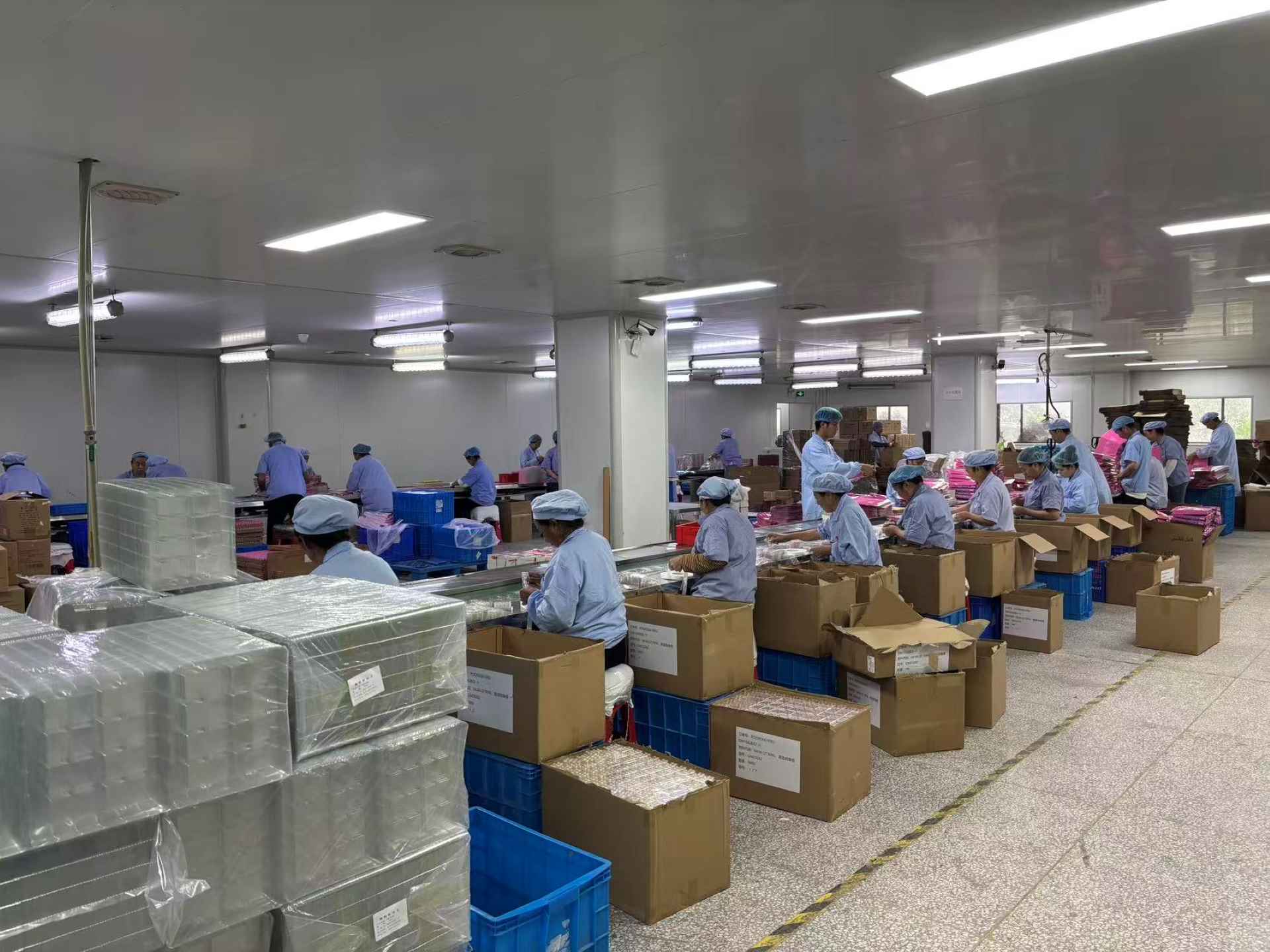
To succeed in mature cosmetic markets such as North America (regulated under MoCRA/FDA) and the European Union (regulated under Regulation EC No 1223/2009), your factory supplier must demonstrate advanced chemical literacy, complete compliance audits, and absolute ingredient transparency. This industrial guide provides the transparency necessary to evaluate high-capacity Chinese facilities.